
When to See a Spine Doctor for Chronic Back Pain in NJ
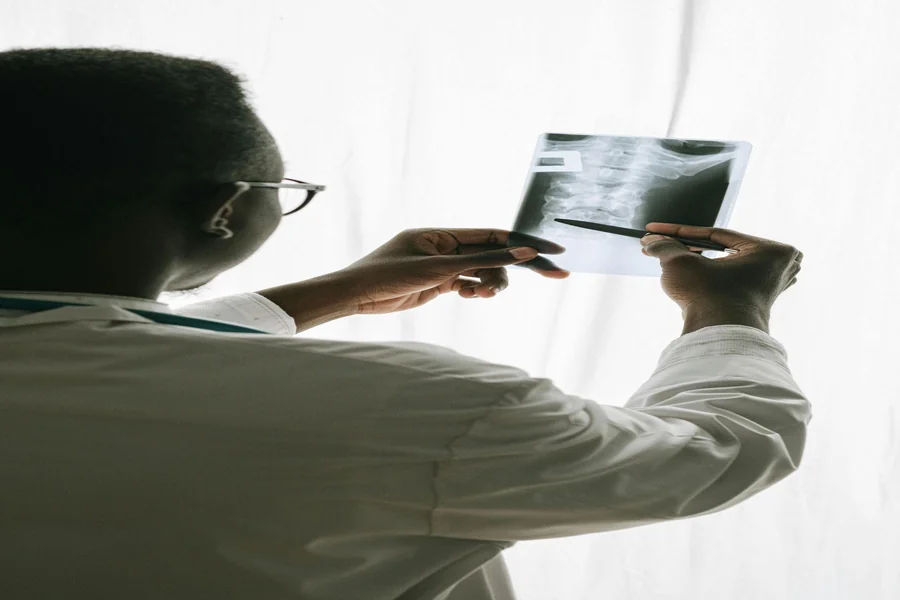
If your back pain has lingered for more than three months despite home care and over-the-counter treatments, it’s time to contemplate seeing a spine doctor in New Jersey. Persistent discomfort that worsens with activity or rest, or is accompanied by numbness and weakness, signals the need for specialized evaluation. Understanding when to seek expert care can prevent complications and improve outcomes, but knowing the precise indicators requires careful attention.
Understanding Chronic Back Pain
Although many people experience occasional back pain, chronic back pain persists for 12 weeks or longer and often indicates underlying structural or neurological issues. When you face chronic discomfort, it’s critical to recognize that persistent inflammation plays a significant role in exacerbating your symptoms. Causes of inflammation may include micro-injuries, degenerative disc disease, or nerve irritation, all contributing to prolonged pain signaling. Additionally, lifestyle impacts such as sedentary behavior, poor posture, and improper lifting techniques can intensify inflammation and hinder recovery. Understanding these factors helps you identify when professional evaluation is necessary. Addressing both biological and lifestyle components guarantees a thorough approach to managing chronic back pain, emphasizing the importance of timely consultation with a spine specialist to prevent further deterioration.
Common Causes of Chronic Back Pain in NJ Residents
If you’re experiencing persistent back pain in New Jersey, it’s important to recognize common underlying causes such as degenerative disc disease, sciatica with nerve involvement, and muscle strain or injuries. These conditions often require targeted diagnostic evaluation to determine the exact source of your discomfort. Identifying the specific cause is essential for developing an effective treatment plan with your spine specialist.
Degenerative Disc Disease
Because the spine’s discs act as shock absorbers between vertebrae, their gradual degeneration can lead to significant chronic back pain. Degenerative disc disease is a common degenerative condition where the discs lose hydration and elasticity, impairing their ability to cushion spinal segments. If you experience persistent stiffness or localized pain, it may indicate compromised disc health. This condition results from natural aging but can be accelerated by injury, repetitive stress, or genetic factors. A deterioration in disc structure alters spinal biomechanics, often causing inflammation and mechanical instability. Consulting spine doctors in New Jersey is essential if your pain persists despite conservative measures, as early intervention can prevent further degeneration and improve function.Proper diagnosis through imaging and clinical evaluation will guide targeted treatments to manage symptoms effectively.
Sciatica and Nerve Pain
Degenerative disc disease can compromise spinal structures, often leading to nerve irritation or compression. This frequently results in sciatica symptoms, characterized by sharp, radiating pain along the sciatic nerve pathway, numbness, or tingling in your lower back, buttocks, and legs. If you’re experiencing these symptoms, it’s critical to consult a spine doctor in NJ to accurately diagnose the cause and develop an effective treatment plan. Addressing nerve pain relief often involves targeted therapies such as physical rehabilitation, epidural injections, or minimally invasive procedures designed to alleviate nerve compression. Ignoring persistent sciatica symptoms can worsen nerve damage, impair mobility, and reduce quality of life. Timely intervention by a specialist guarantees precise management, optimizing your chances for sustained nerve pain relief and functional recovery.
Muscle Strain and Injuries
Although muscle strain and injuries might seem less severe than other spinal conditions, they represent a leading cause of chronic back pain among NJ residents. When you experience a muscle strain, microscopic tears occur in muscle fibers, triggering inflammation and persistent discomfort. Proper muscle recovery is essential to prevent these strains from becoming chronic. You should prioritize controlled rest, targeted physical therapy, and gradual strengthening exercises to promote tissue repair and restore function. Neglecting injury prevention strategies, like ergonomic adjustments and appropriate warm-ups, increases your risk of recurrent strains. Consulting a spine doctor can help identify underlying biomechanical issues contributing to your pain and develop a personalized treatment plan. Addressing muscle strain promptly is critical to halt progression to chronic pain and maintain your spinal health.
Symptoms That Warrant a Spine Doctor Consultation
If your back pain persists beyond a few weeks despite conservative treatment, it’s essential to consult a spine specialist. You should also seek immediate evaluation if you experience neurological symptoms such as numbness, weakness, or radiating leg pain. These indicators suggest potential nerve involvement that requires expert assessment and intervention.
Persistent Pain Indicators
Several key symptoms indicate when you should consult a spine doctor for chronic back pain. If your pain persists beyond three months despite conservative management, it signals the need for a specialized evaluation. Continuous discomfort that worsens with activity or rest, or pain that disrupts your daily functions, requires professional assessment. Additionally, if over-the-counter medications and physical therapy no longer provide relief, it’s essential to explore advanced treatment options. A spine doctor will perform a thorough diagnostic workup to identify the underlying pathology and tailor a precise treatment plan. Early intervention can prevent further deterioration and improve outcomes. Don’t delay seeking expert care when persistent pain interferes with quality of life or resists standard therapies for chronic pain management.
Neurological Symptom Signs
Beyond persistent pain, certain neurological signs signal the need for immediate evaluation by a spine doctor. If you experience numbness, tingling, or weakness in your limbs, these neurological symptoms may indicate nerve compression or spinal cord involvement. Sudden loss of bladder or bowel control is an urgent sign demanding prompt spine health assessment. Additionally, if you notice shooting pain radiating down your legs or arms, it could reflect nerve root irritation requiring specialized intervention. Such symptoms suggest that underlying spinal structures are compromised, potentially leading to irreversible damage if untreated. Consulting a spine specialist guarantees accurate diagnosis through advanced imaging and neurological testing, facilitating timely, targeted treatment. Don’t ignore these neurological symptoms; addressing them early is vital to preserving your spine health and preventing long-term disability.
Impact of Delaying Professional Spine Care
Although it might seem manageable at first, delaying professional spine care can lead to worsening symptoms and complicate treatment options. When you postpone evaluation, delayed treatment allows pain progression, potentially intensifying nerve compression or structural damage. This progression may reduce the effectiveness of conservative therapies and necessitate more invasive interventions. Ignoring early signs prolongs inflammation and can contribute to permanent neurological deficits. Timely assessment by a spine specialist enables accurate diagnosis and tailored management, mitigating chronicity risks. By addressing your back pain promptly, you preserve spinal function and enhance recovery outcomes. Consequently, recognizing when to seek expert care is essential to avoid complications associated with untreated spinal conditions and to halt the advancement of pain and dysfunction.
Diagnostic Procedures Used by Spine Specialists
When you consult a spine specialist, they’ll begin with a thorough physical examination to assess your range of motion and neurological function. Imaging techniques like MRI, CT scans, and X-rays provide detailed views of your spinal structures. In some cases, advanced diagnostic tests such as electromyography or nerve conduction studies may be necessary to pinpoint the exact cause of your chronic back pain.
Imaging Techniques Overview
Imaging techniques are critical tools spine specialists rely on to accurately diagnose the underlying causes of chronic back pain. When you visit a spine doctor in NJ, they’ll use various imaging modalities to gain a detailed view of your spinal anatomy. Common diagnostic imaging includes X-rays, which reveal bone alignment and fractures; MRI scans, providing high-resolution images of soft tissues like discs and nerves; and CT scans, offering cross-sectional views to detect complex bone conditions. These imaging modalities enable your specialist to identify issues such as herniated discs, spinal stenosis, or degenerative changes. By integrating these precise diagnostic imaging techniques, your spine doctor can formulate an effective treatment plan tailored to your specific condition, improving your chances for recovery and pain relief.
Physical Examination Methods
A thorough physical examination typically involves several targeted assessments to evaluate your spinal function and pinpoint the source of chronic back pain. Spine specialists rely on precise physical assessment techniques, including inspection of posture, palpation for tenderness or muscle spasms, and range-of-motion testing to identify limitations or asymmetries. Neurological evaluations assess reflexes, muscle strength, and sensory responses to detect nerve involvement. Additionally, patient history evaluation plays a critical role, as it provides context regarding pain onset, duration, aggravating factors, and prior treatments. Together, these methods allow the specialist to differentiate between mechanical, inflammatory, and neuropathic causes. This extensive approach guarantees that your diagnosis is accurate, guiding effective treatment without immediately resorting to advanced imaging or invasive procedures.
Advanced Diagnostic Tests
Although physical examinations provide essential insights, advanced diagnostic tests are often necessary to accurately identify underlying spinal conditions causing your chronic back pain. Spine specialists rely on advanced imaging modalities such as MRI, CT scans, and X-rays to visualize bone structures, soft tissues, and nerve impingements with high resolution. These diagnostic procedures allow for precise assessment of disc herniations, spinal stenosis, fractures, or tumors that may not be evident through physical evaluation alone. Additionally, electromyography (EMG) and nerve conduction studies can be employed to evaluate nerve function and pinpoint radiculopathy. By utilizing these advanced diagnostic procedures, your spine doctor can formulate a targeted treatment plan tailored to your specific pathology, optimizing outcomes and minimizing unnecessary interventions. Accurate diagnosis through advanced imaging is critical for effective management of chronic back pain.
Treatment Options Available for Chronic Back Pain
Since chronic back pain can stem from various underlying causes, treatment plans must be tailored to your specific diagnosis and symptoms. Your spine doctor will evaluate multiple factors before recommending a course of action. Common treatment options include:
- Medication options: Nonsteroidal anti-inflammatory drugs (NSAIDs), muscle relaxants, and neuropathic agents help reduce pain and inflammation. These should be used under strict medical supervision to avoid adverse effects.
- Physical therapy and alternative therapies: Targeted exercises improve mobility and strengthen supportive musculature, while alternative therapies such as acupuncture or chiropractic care may provide adjunctive relief.
- Lifestyle modifications: Weight management, ergonomic adjustments, and activity modification are critical components to prevent symptom exacerbation and promote long-term spine health.
When to Consider Surgical Intervention
When conservative treatments like medication, physical therapy, and lifestyle changes fail to provide adequate relief, surgical intervention may become a necessary consideration. You should consult a spine specialist to evaluate specific surgical options tailored to your condition, such as discectomy, spinal fusion, or laminectomy. These procedures aim to address structural abnormalities causing your chronic back pain. Understanding the recovery timeline is essential; it varies depending on the surgery type and your overall health but typically ranges from several weeks to months. Your spine doctor will assess your symptoms, imaging results, and functional limitations to determine if surgery offers a favorable risk-benefit profile. Deciding on surgery requires precise evaluation to optimize outcomes and minimize complications, ensuring that this option is pursued only when conservative management proves insufficient.
The Role of Physical Therapy in Managing Back Pain
If you’re dealing with chronic back pain, physical therapy plays a critical role in both alleviating symptoms and improving function. It serves as a cornerstone in pain management by employing targeted rehabilitation techniques tailored to your specific condition. Here’s how physical therapy benefits you:
- Pain Reduction: Through modalities like manual therapy and therapeutic exercises, physical therapy decreases inflammation and muscle tension, directly addressing pain sources.
- Functional Restoration: Rehabilitation techniques focus on strengthening core and spinal muscles, enhancing stability and mobility to prevent further injury.
- Education and Prevention: Therapists provide you with posture correction strategies and ergonomic advice, empowering you to manage pain proactively.
Engaging in physical therapy optimizes recovery and minimizes reliance on medication, making it an indispensable component of chronic back pain management.
How to Choose the Right Spine Doctor in New Jersey
While physical therapy can markedly improve chronic back pain, consulting a spine doctor becomes necessary when symptoms persist or worsen despite conservative treatment. When choosing specialists in New Jersey, prioritize board certification in orthopedic spine surgery or neurosurgery, ensuring expertise in spinal disorders. Review their clinical experience and procedural volume, as higher case loads correlate with improved outcomes. Patient testimonials provide insight into bedside manner and treatment efficacy but should be considered alongside objective credentials. Confirm the spine doctor’s familiarity with advanced diagnostic modalities and minimally invasive techniques, which may offer better recovery profiles. Additionally, verify insurance compatibility and hospital affiliations to streamline care access. By systematically evaluating these factors, you’ll select a spine doctor capable of delivering thorough, evidence-based management tailored to your chronic back pain needs.
Tips for Preparing for Your First Appointment With a Spine Specialist
Before your initial consultation with a spine specialist, gathering detailed information about your medical history and current symptoms is essential for an accurate assessment. To optimize your visit, prepare an appointment checklist that includes prior imaging, medication lists, and symptom chronology. Also, formulate patient questions addressing diagnosis, treatment options, and recovery expectations.
- Compile all relevant medical records, including X-rays or MRIs, to provide thorough background.
- Document your pain patterns, triggers, and any previous treatments’ effectiveness.
- Prepare clear, concise patient questions to maximize the specialist’s time and clarify your concerns.
This structured preparation guarantees precise communication, enabling the spine specialist to deliver an informed diagnosis and tailored treatment plan efficiently.
Frequently Asked Questions
Are There Any Lifestyle Changes That Can Prevent Chronic Back Pain?
Yes, you can prevent chronic back pain by maintaining consistent exercise habits that strengthen your core and improve flexibility. Additionally, ergonomic adjustments at work and home reduce strain on your spine, promoting long-term back health.
How Does Nutrition Affect Spine Health?
Nutrition basics like calcium, vitamin D, and omega-3s directly support bone density and reduce inflammation. You’ll benefit from spine supplements, but confirm they’re clinically validated to maintain ideal spine health and prevent degenerative conditions effectively.
Can Chronic Back Pain Be Hereditary?
Yes, chronic back pain can be hereditary due to genetic factors influencing spinal structure and pain sensitivity. If you have a family history of back issues, you’re more predisposed to developing similar chronic conditions.
What Role Does Mental Health Play in Chronic Back Pain?
Mental wellbeing greatly influences pain perception by modulating how your brain processes chronic back pain signals. Poor mental health can amplify pain intensity, so addressing psychological factors is essential for thorough chronic pain management and improved outcomes.
Are There Any Alternative Therapies Effective for Back Pain Relief?
Yes, you can find relief with acupuncture benefits, which target pain pathways precisely, and chiropractic adjustments that restore spinal alignment. Both therapies offer evidence-based, non-invasive options to complement traditional treatments for chronic back pain effectively.