Common Mistakes To Avoid When Using Dumpster Rentals
Underestimating Debris Volume
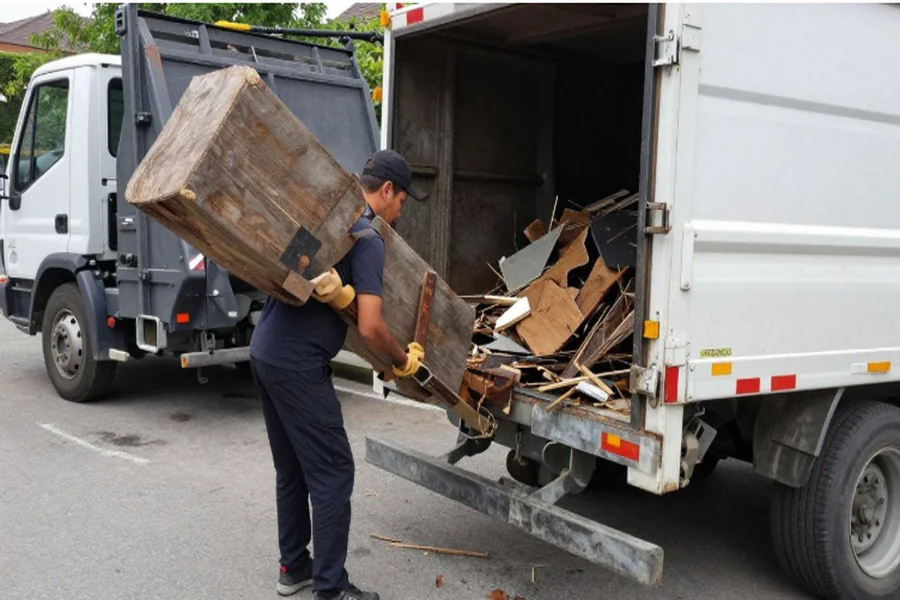
One of the most common missteps when renting a dumpster is not accurately gauging how much waste your project will produce. It’s easy to think a small pile of debris will fit into a smaller container, but projects often generate more waste than initially anticipated. This underestimation leads to needing multiple pickups, which costs more money and causes project delays. Always think about the scope of your work and the materials involved.
It’s better to have a little extra space than to run out. Consider materials like old furniture, construction scraps, or yard waste. These can quickly fill up a dumpster. A-Tex Residential Dumpsters can help you figure out the right size based on your project details.
Overestimating Debris Volume
On the flip side, some people rent a dumpster that’s far too large for their needs. This means you’re paying for space you won’t use. While it’s good to have a buffer, a significantly oversized dumpster is just a waste of money. Think about the specific items you’re getting rid of and their approximate volume.
For smaller jobs like a garage cleanout or a minor landscaping project, a smaller dumpster is usually sufficient. A 10-yard or 20-yard container might be all you need. Avoid the temptation to rent the biggest one just in case; careful planning prevents paying for unused capacity.
Consulting With A-Tex Residential Dumpsters For Sizing
When in doubt, the best approach is to talk to the experts. Companies like A-Tex Residential Dumpsters have a lot of experience with different types of projects and can offer solid advice on dumpster sizing. They know what fits in each container size and can help you avoid common pitfalls.
Be ready to describe your project in detail. Mention the type of work you’re doing (e.g., kitchen remodel, yard cleanup, construction debris) and the kinds of materials you expect to generate. This information helps them recommend the most cost-effective and practical dumpster size for your specific needs. Accurate dumpster sizing is key to a smooth rental experience.
Strategic Dumpster Placement
Choosing the right spot for your dumpster rental is more important than many people realize. It’s not just about convenience; it’s about safety, property protection, and avoiding extra fees. Think about where the dumpster will sit before it even arrives.
Selecting A Level And Stable Surface
A level and stable surface is key for safe dumpster placement. Placing a heavy container on uneven ground or soft soil can lead to it sinking, tipping, or even damaging your property. Driveways are often a good choice because they’re typically paved and level. If you’re concerned about your driveway, some companies can place protective boards underneath the dumpster to prevent scratches or cracks. Always check the ground where the dumpster will sit to make sure it can handle the weight without issues.
Ensuring Adequate Clearance For Delivery And Access
When the rental truck arrives, it needs space to maneuver and drop off the dumpster. Make sure the delivery path is clear of obstructions like parked cars, lawn equipment, or low-hanging branches. Also, consider how you’ll access the dumpster once it’s in place. You’ll need enough room to load your debris easily and safely. If the dumpster is too hard to get to, you might end up making more trips or struggling to load heavier items, which can be a safety hazard.
Protecting Driveways And Property
Dumpsters are heavy, and their placement can sometimes cause damage. To avoid this, communicate with your rental provider about placement options. They might have suggestions or use protective measures like wooden planks to shield your driveway or lawn from the dumpster’s weight and potential scratches. It’s a good idea to clear the area yourself before delivery day, removing anything that could get in the way or be damaged. This proactive approach to dumpster placement helps prevent unexpected costs and keeps your property looking good.
Understanding Weight Limits And Fill Lines
The Risks Of Overfilling Dumpsters
It’s easy to think that just because a dumpster looks empty, you can keep piling more in. But dumpsters have limits for a reason. Going over the fill line is a common mistake that can cause real problems. When a dumpster is too full, debris can spill out during transport. This makes a mess and can even be dangerous for the driver. Plus, some haulers won’t even pick up an overfilled bin, leaving you with a project delay and a potential extra charge.
Always keep your waste below the top edge of the container. Think of it like packing a suitcase; you can’t just stuff it until it bursts. If you’re dealing with a lot of heavy stuff, like concrete or old bricks, it’s especially important to be mindful. You might hit the weight limit before the bin looks full.
Proper Loading Techniques For Stability
Loading a dumpster correctly isn’t just about fitting everything in. It’s about making sure the load is stable and safe for moving. Start by putting heavier items at the bottom. This helps create a solid base. Then, spread out the lighter materials on top. This keeps the weight balanced. Avoid creating big air pockets or leaving one side much heavier than the other. A balanced load is less likely to shift during transit, which is safer for everyone involved.
If you’re unsure about how to load, picture stacking firewood. You want it neat and secure, not just thrown in a pile. This careful approach prevents surprises when it’s time for pickup.
Inquiring About Weight Allowances With A-Tex Residential Dumpsters
Before you even start filling your dumpster, it’s smart to know its weight limit. Different dumpsters can hold different amounts of weight. If you’re getting rid of heavy things like construction debris or yard waste, you might need a dumpster with a higher weight allowance. Don’t guess; ask your rental provider. Companies like A-Tex Residential Dumpsters can tell you the specific weight limits for their bins.
They can also help you figure out if your project’s waste will likely exceed the standard limits. This conversation can save you from unexpected fees later on. It’s better to be upfront about the type of materials you’ll be disposing of to get the right dumpster for the job.
Adhering To Prohibited Item Restrictions
Common Hazardous And Restricted Materials
Before tossing everything into the dumpster, know that some items just can’t go in. Dumpster rentals often exclude paints, chemicals, car batteries, tires, and electronics. These materials can cause major problems at disposal sites and create potential safety risks. Always double-check the rules from your dumpster provider.
Environmental And Safety Concerns
Throwing restricted stuff into dumpster rentals isn’t just about breaking the rules—it’s also a safety and environmental issue. Hazardous waste can leak, causing health problems for workers, polluting the soil, or damaging water supplies. Each type of prohibited item carries its own risk, so carelessness is costly.
| Prohibited Item | Risk If Disposed Improperly |
| Paints & Solvents | Water pollution, fire hazard |
| Electronics | Heavy metal contamination |
| Car Batteries | Acid and lead pollution |
| Tires | Mosquito breeding, landfill issues |
Seeking Guidance On Special Disposal Needs
Sometimes, you’ve got waste that doesn’t fit the usual rules. Things like old appliances, large amounts of dirt, or even construction chemicals need special handling. Don’t guess; reach out for advice if you’re stuck. Most dumpster companies—including A-Tex Residential Dumpsters—are happy to clarify what’s okay and where to take the rest.
For a smoother project, always ask about prohibited items in your dumpster rental before loading. It saves hassle, keeps you safe, and protects the environment.
Prioritizing Safety During Loading
Loading a dumpster might seem straightforward, but overlooking safety can lead to injuries or project delays. It’s about more than just tossing junk in; it’s about working smart and protecting yourself and others. Think of the dumpster area as a temporary worksite that needs proper attention.
Personal Protective Equipment Essentials
When you’re handling debris, especially from a demolition or renovation project, sharp objects and heavy items are common. Not wearing the right gear is a quick way to get hurt. Simple protective measures go a long way.
- Sturdy Gloves: Protect hands from splinters, sharp metal, and rough materials.
- Safety Glasses: Keep dust and flying debris out of your eyes.
- Closed-Toe Boots: Guard your feet against dropped items and sharp objects.
Maintaining A Clear Work Area
A cluttered space around the dumpster is a recipe for accidents. Tripping hazards, like tools, extension cords, or piles of debris, can cause falls. Keeping the area tidy makes loading safer and more efficient.
A clear path to and from the dumpster reduces the risk of slips and falls. Make sure the ground is stable and free of obstacles.
Preventing Accidents Around The Container
Beyond personal gear and a clean space, think about how the dumpster itself is used. Don’t let children or pets play near the container, as they might not understand the risks involved. Always be aware of your surroundings, especially when lifting heavy items. Proper loading techniques, like keeping debris below the fill line and distributing weight evenly, also contribute to overall safety by preventing spills during transport. Remember, safe loading is key to a smooth rental experience.
Accurate Rental Timeframe Planning
Underestimating Project Duration
Home projects rarely go exactly as planned. It’s easy to think a weekend cleanup will be enough, but then you find more junk than expected. This is where accurate rental timeframe planning really saves the day. You don’t want to be scrambling to finish before the dumpster gets picked up.
It’s better to rent for a bit longer than you think you’ll need. This avoids the hassle and extra cost of extending your rental later. Think about potential delays, like bad weather or unexpected discoveries during a renovation. A little extra time upfront means less stress down the road.
Avoiding Unnecessary Extension Fees
Extension fees can add up quickly if your project runs over the initial rental period. Many companies include a standard rental duration, often around 7 days. Going beyond this can mean paying daily or weekly charges that weren’t in your original budget. This is a common pitfall for those who don’t plan their accurate rental timeframe planning well.
To dodge these extra costs, try to get a feel for how long similar projects typically take. If you’re unsure, it’s usually more cost-effective to book the dumpster for a slightly longer period from the start. This proactive approach helps keep your project costs predictable.
Building Buffer Time Into Your Schedule
When you’re setting up your dumpster rental, always build in some buffer time. This means adding a few extra days to your rental period just in case. It’s a simple strategy that prevents you from rushing your work or paying more for an extension.
Consider this: if your project is scheduled to take five days, maybe book the dumpster for seven or ten days. This buffer accounts for unforeseen issues and gives you peace of mind. Good accurate rental timeframe planning is all about anticipating potential hiccups and preparing for them.
Navigating Rental Agreements And Regulations
Understanding Contract Terms And Conditions
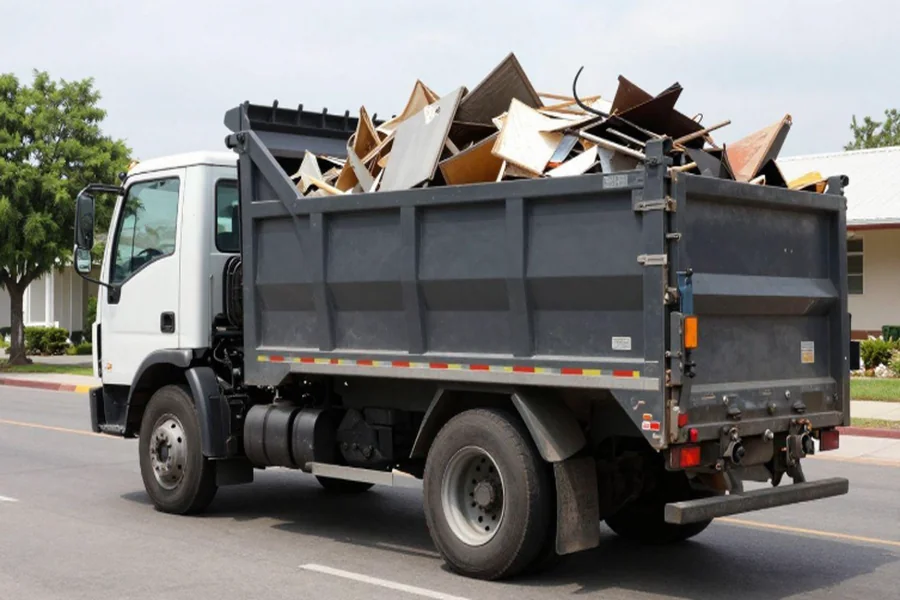
Before you even think about filling that dumpster, take a good, long look at the rental agreement. It’s not just a formality; it’s the rulebook for your rental. This document lays out everything from how long you have the dumpster to what happens if you go over the weight limit. Missing a key detail here can lead to surprise charges later on. Always ask questions if something in the contract isn’t clear. Knowing the terms of your rental agreement is just as important as picking the right dumpster size.
Checking Local Permit Requirements
Placing a dumpster on public property, like a street or sidewalk, usually means you’ll need a permit. This is a common oversight that can land you with fines. Your rental provider, like A-Tex Residential Dumpsters, can often guide you on whether a permit is necessary for your specific location. They understand the local rules and can help you avoid trouble with the city. For dumpsters placed on private property, like a driveway, permits are typically not required, but it’s always good to double-check.
The Importance Of Transparency With Providers Like A-Tex Residential Dumpsters
Honesty and clear communication with your dumpster rental provider are key. Don’t be afraid to ask about all potential fees, including those for extended rental periods or if you accidentally dispose of prohibited items. A reputable company, such as A-Tex Residential Dumpsters, will be upfront about their policies. This transparency helps you budget correctly and prevents any nasty surprises when the final bill arrives. It’s about making sure both parties are on the same page from start to finish.
Wrapping Up Your Dumpster Rental
So, renting a dumpster for your project doesn’t have to be a headache. By keeping a few key things in mind, like picking the right size bin, figuring out the best spot for it, and knowing what you can and can’t toss inside, you’ll be way ahead of the game. It’s really about taking a moment to plan before you start loading. Avoiding these common slip-ups means less chance of unexpected fees, delays, or safety issues. When you get it right, that dumpster just becomes a helpful tool that makes your cleanup or renovation go a lot smoother.