
Maximising Space with a Single-Seater Sofa
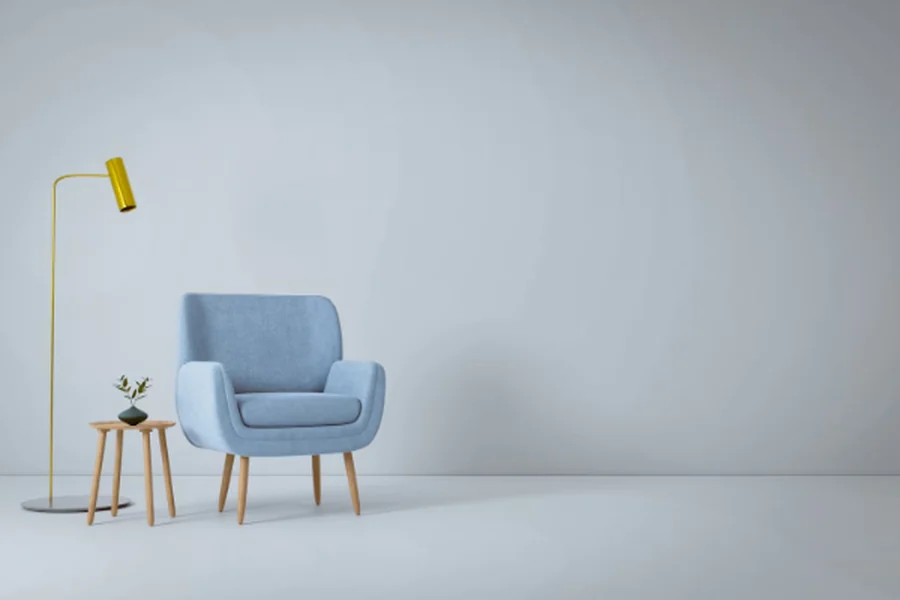
The living room often serves as the central hub of a home, and the choice of furniture plays a pivotal role in shaping its atmosphere. Among the variety of seating options, the single seater sofa stands out as a harmonious blend of practicality and aesthetic appeal. Its compact dimensions, versatile design, and functional benefits make it an exceptional choice for those seeking to maximise comfort without compromising style.
A Seamless Fit for Any Space
One of the defining strengths of the single-seater sofa lies in its adaptability. Its modest footprint allows it to integrate effortlessly into rooms of all sizes, from cosy apartments to expansive residences. Rather than dominating a space, it complements the existing layout, offering additional seating in corners, nooks, or alongside larger furniture pieces. This adaptability ensures that the sofa enhances the room’s functionality while maintaining visual balance and openness.
Design Flexibility and Material Variety
Single-seater sofas are available in a broad spectrum of styles, catering to diverse tastes and interior themes. From minimalist contemporary designs to more ornate classical forms, there is a version suited to every decor sensibility. The choice of materials further enhances versatility: leather offers durability and a refined appearance, while fabric options allow for an extensive palette of colours, patterns, and textures. Synthetic alternatives can provide easy maintenance and modern appeal, enabling homeowners to tailor the sofa to both practical needs and stylistic aspirations.
Comfort and Ergonomic Considerations
Modern single-seater sofas are often crafted with comfort and ergonomics at the forefront. High-density cushions, supportive armrests, and adjustable headrests contribute to a seating experience that aligns with the body’s natural contours. These features create a welcoming space for reading, leisure, or conversation, ensuring that long periods of use do not compromise comfort. The attention to ergonomic design elevates the sofa from a mere furnishing to an inviting retreat within the home.
Eco-Conscious Options
Environmental awareness has become a key consideration in contemporary furniture choices. Many single-seater sofas now incorporate sustainable materials and eco-friendly manufacturing practices. From responsibly sourced timber to recycled fabrics, these options reduce environmental impact while promoting a healthier indoor setting. Selecting such a sofa allows homeowners to align functional design with ecological responsibility, merging style with conscientious living.
Beyond the Living Room
The versatility of the single-seater sofa extends beyond conventional living spaces. In a home office, it provides a comfortable spot for brief breaks or informal discussions. Within a bedroom, it offers an elegant place to sit while dressing or reading. Its adaptability also makes it suitable for home theatres, libraries, or dining areas requiring supplemental seating. The sofa’s ability to complement a variety of settings reinforces its status as a multifunctional and practical furnishing choice.
Styling and Decorative Potential
A single-seater sofa can serve as both a functional and decorative element. Carefully selected cushions, throws, and accent pieces can introduce colour, texture, and personality, transforming the sofa into a focal point of the room. Its placement can be tailored to blend seamlessly with surrounding furnishings or to stand out as a statement piece. By integrating side tables, lamps, or other accessories, the sofa’s appeal and utility are further enhanced, offering a perfect balance between style and function.
Complementary Furnishings
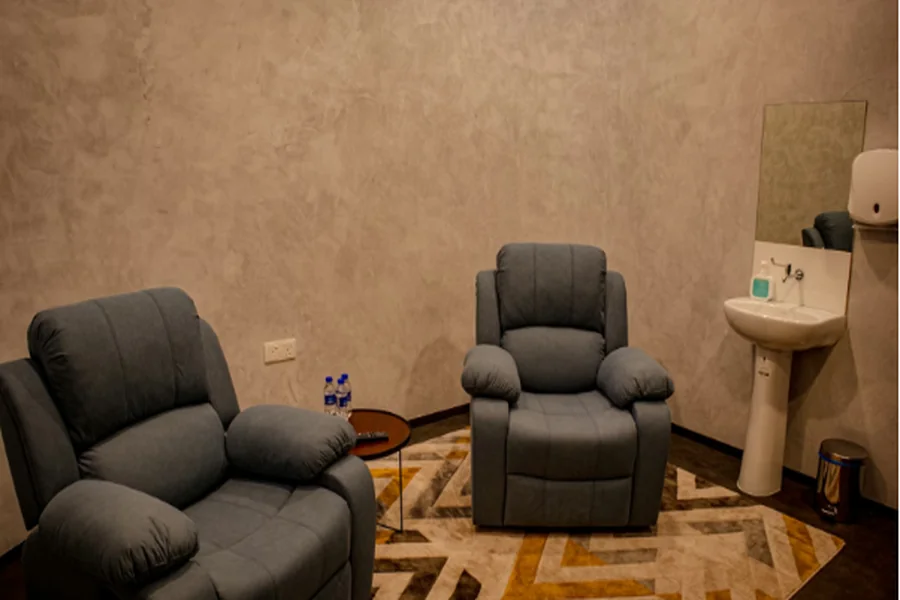
Optimising the impact of a single-seater sofa often involves considering complementary pieces. Coffee tables, side tables, shelving units, and matching seating options can create a cohesive visual and functional environment. Arranging the sofa alongside a loveseat or a sectional not only enhances the aesthetic harmony but also provides practical solutions for accommodating larger gatherings. Thoughtful pairing ensures a balanced, inviting space that supports both solitary relaxation and social interaction.
Facilitating Social Interaction
Seating arrangements influence the dynamics of a room, and the single-seater sofa offers flexibility that encourages communication and movement. Strategically positioned, it enables intimate conversations or collaborative group discussions, making it suitable for both private and communal settings. Its presence allows for adaptable layouts that can be rearranged to suit changing needs without disrupting the overall flow of the room.
Affordability and Value
Compared to larger seating solutions, single-seater sofas often present an accessible and budget-conscious option. Cost-effectiveness does not necessitate sacrificing quality or style; numerous models combine durability, design, and comfort at competitive prices. This balance between value and refinement makes the single-seater sofa an appealing choice for homeowners seeking practicality without compromise.
Timeless Design for Longevity
Selecting a sofa with classic lines, neutral tones, and versatile features ensures that it remains relevant across evolving design trends. A well-chosen single-seater can harmonise with future decor updates, maintaining aesthetic appeal while providing a lasting functional asset. Its enduring design and adaptability make it a reliable investment for any living environment.
Conclusion
The single-seater sofa embodies the ideal convergence of form, comfort, and practicality. Its flexibility, range of materials and styles, and ability to complement diverse settings make it an indispensable addition to any home. Whether serving as a quiet retreat for solitary moments or enhancing a larger seating arrangement, it remains a vital, stylish, and highly functional piece of furniture.