
Transforming Wellness: The Expanding Role of Medical Aesthetics Clinics in Healthcare
The Emergence of Medical Aesthetics
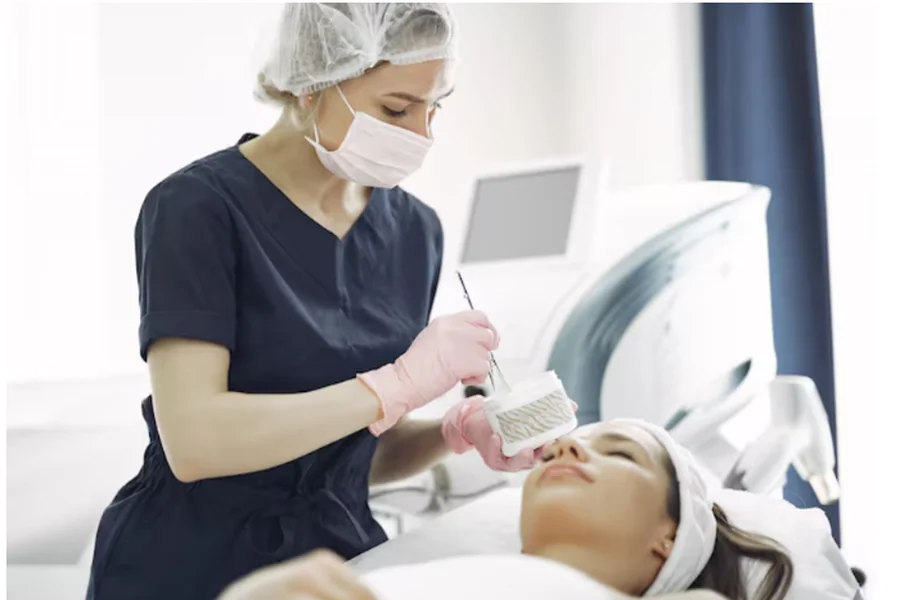
Over the past decade, medical aesthetics clinics have increasingly become a cornerstone of modern healthcare, bridging the gap between cosmetic enhancement and medical treatment. Many individuals now turn to a reputable medical aesthetics clinic to access professional treatments that are both safe and tailored to their specific skin and wellness needs. Once primarily associated with beauty and superficial improvements, these clinics now address a broader spectrum of patient needs, combining medical expertise with aesthetic care. Their rise reflects growing awareness of the importance of holistic wellness, where physical appearance, skin health, and emotional well-being intersect. Patients no longer seek treatments solely for vanity; they look for safe, evidence-based interventions that improve confidence while supporting overall health.
Advances in Technology Driving Innovation
Technological progress has been a major factor in shaping the medical aesthetics landscape. Cutting-edge equipment such as advanced lasers, radiofrequency devices, and ultrasound technology has elevated both the efficacy and safety of aesthetic procedures. These innovations allow practitioners to perform minimally invasive treatments with reduced recovery time, making them accessible to a wider audience. Patients can now experience procedures like skin rejuvenation, wrinkle reduction, and body contouring with fewer risks and improved outcomes. Technology has also facilitated precision in treatment delivery, ensuring that procedures are tailored to each patient’s unique skin type, structure, and goals.
Comprehensive Range of Treatments
Medical aesthetics clinics offer an extensive selection of treatments, catering to diverse patient concerns. Non-invasive options include laser hair removal, chemical peels, and microdermabrasion, while minimally invasive procedures encompass dermal fillers, botulinum toxin injections, and microneedling. Clinics also provide specialised solutions for skin conditions such as acne, hyperpigmentation, rosacea, and other dermatological challenges. Anti-ageing treatments are particularly sought after, focusing on improving skin texture, elasticity, and overall appearance. This wide variety of services ensures that clinics can accommodate different demographics, from young adults seeking preventative care to older patients addressing age-related concerns.
The Role of Qualified Practitioners
A defining characteristic of reputable medical aesthetics clinics is the expertise of their practitioners. Certified dermatologists, plastic surgeons, and trained aesthetic specialists are essential to delivering safe and effective treatments. The qualifications and experience of these professionals ensure that every procedure is performed with precision, mitigating risks and enhancing outcomes. Additionally, these clinics emphasise patient education, informing clients about realistic expectations, aftercare, and maintenance. This combination of skill and guidance reinforces the trust patients place in medical aesthetics clinics as credible centres for both health and beauty.
Supporting Emotional and Psychological Wellbeing
Medical aesthetics clinics extend their impact beyond physical transformation by addressing the psychological aspects of appearance. Patients often experience a boost in confidence and self-esteem following treatments, which can positively affect social interactions, professional performance, and overall quality of life. Consultations within these clinics typically involve discussions about patient goals and expectations, helping to establish a realistic approach to enhancement. This holistic perspective recognises the intricate link between appearance and mental well-being, reinforcing the value of medical aesthetics as a complement to traditional healthcare.
Safety and Regulatory Standards
Operating within strict regulatory frameworks, medical aesthetics clinics prioritise patient safety and treatment quality. Regulations vary by region but generally adhere to internationally recognised standards. Clinics maintain rigorous protocols, including thorough initial consultations, risk assessments, and post-treatment follow-ups, ensuring optimal outcomes while minimising complications. Adherence to these protocols fosters trust and provides patients with reassurance that their procedures are performed responsibly and professionally. Safety remains a central pillar of medical aesthetics, differentiating licensed clinics from unregulated providers.
The Interdisciplinary Approach to Care
One of the defining advantages of medical aesthetics clinics is their interdisciplinary model of care. By combining dermatology, cosmetic surgery, and aesthetic medicine, these clinics create a seamless continuum of treatment. Patients benefit from a collaborative environment where multiple specialists assess their needs and develop comprehensive, personalised plans. This multidisciplinary approach ensures that treatments are not only effective in addressing cosmetic concerns but are also aligned with overall health and skin integrity. It allows for careful monitoring of progress and adjustments to therapy, maximising patient satisfaction and safety.
Patient-Centric Personalisation
Modern medical aesthetics is increasingly driven by personalisation. Clinics leverage advanced diagnostics, imaging technologies, and, in some cases, artificial intelligence to customise treatments for individual patients. This tailored approach considers factors such as skin type, age, lifestyle, and medical history, creating highly targeted treatment plans. Personalised care enhances efficacy, reduces risks, and ensures that patients receive interventions that are suited specifically to their needs, rather than generic solutions.
Future Trends in Medical Aesthetics
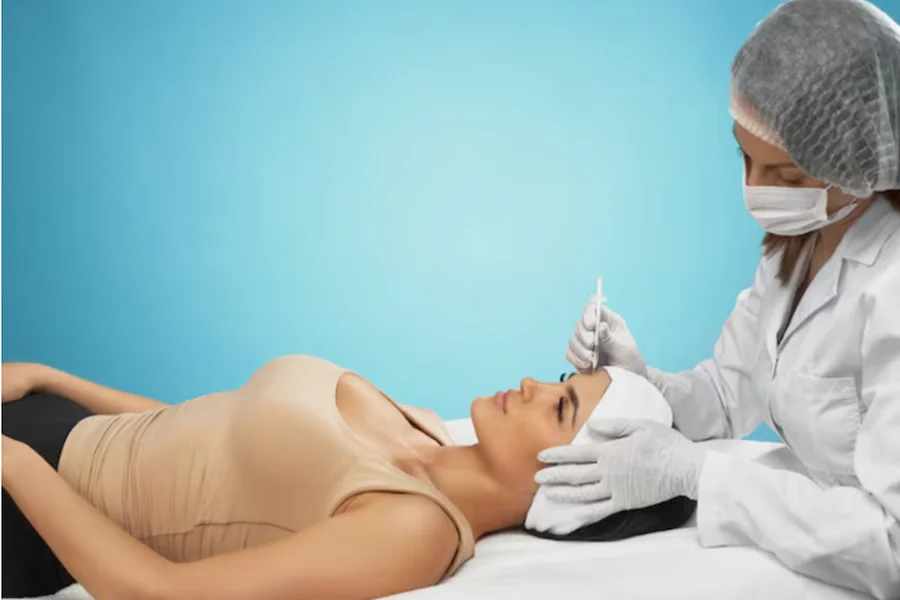
The trajectory of medical aesthetics suggests continued growth and innovation. Emerging technologies, including AI-driven skin analysis, regenerative therapies, and non-invasive body sculpting methods, promise to further refine patient care. Clinics are exploring new treatment modalities that combine aesthetic enhancement with therapeutic benefits, such as treatments that stimulate collagen production or address underlying skin health issues. Sustainability and minimally invasive techniques are becoming central themes, reflecting broader healthcare trends and patient preferences for safer, more convenient options.
Holistic Benefits Beyond Appearance
Medical aesthetics clinics today are redefining their role within healthcare by emphasising holistic wellness. Treatments enhance not only appearance but also patient confidence, emotional well-being, and social comfort. Clinics increasingly focus on creating a positive, supportive environment where patients can discuss their concerns openly and receive customised solutions. This integration of aesthetic care and medical oversight exemplifies the modern approach to patient-centred healthcare.
Conclusion
Medical aesthetics clinics have evolved far beyond their early reputation as purely cosmetic providers. They now represent a fusion of science, technology, and holistic care, addressing both physical appearance and overall well-being. By offering a comprehensive range of treatments, prioritising practitioner expertise, and adhering to strict safety standards, these clinics play a transformative role in contemporary healthcare. As technology advances and patient expectations grow, medical aesthetics clinics are poised to remain integral to the wellness landscape, providing services that enhance both appearance and quality of life.