
The Rise of Artificial Intelligence in Daily Use: How It Shapes Modern Life
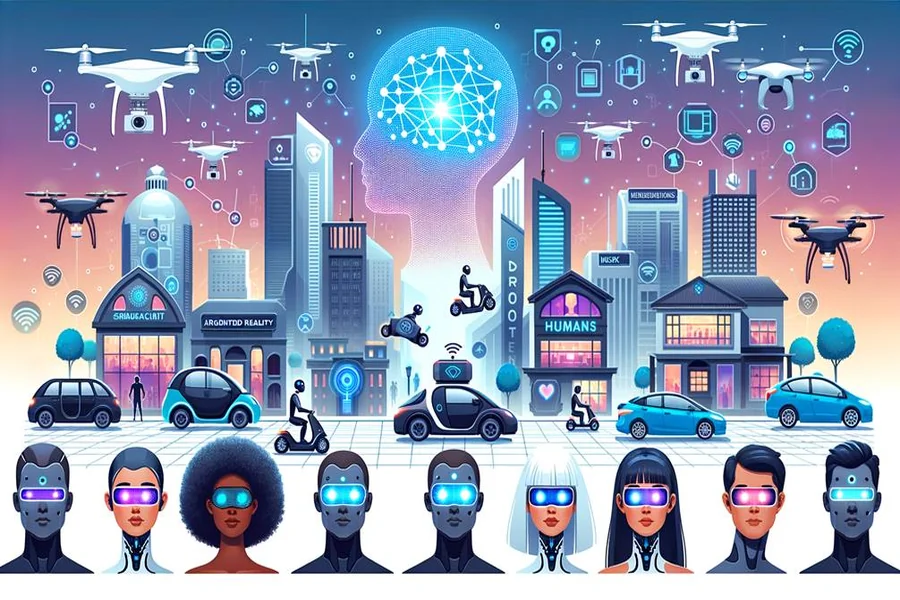
The Growing Presence of AI in Everyday Life
The rise of artificial intelligence in daily use is no longer a futuristic idea—it is something we experience almost every day without even noticing. From unlocking your phone with facial recognition to receiving personalized recommendations while shopping online, artificial intelligence has quietly become a part of modern living. It works behind the scenes, making everyday tasks faster, easier, and more efficient.
Artificial intelligence, often referred to simply as AI, is designed to simulate human intelligence in machines. These systems can learn, adapt, and even make decisions based on data. Over time, AI has evolved from a complex concept used mainly in research labs to a practical tool that supports daily activities. Whether it is helping you find the fastest route to work or suggesting what to watch next, AI is deeply integrated into how we interact with technology.
How AI Simplifies Daily Tasks
One of the biggest reasons behind the rapid adoption of AI is its ability to simplify routine tasks. Voice assistants, smart home devices, and automation tools are all powered by AI, and they help people manage their time more effectively.
For example, virtual assistants can set reminders, answer questions, and even control home appliances. Smart thermostats learn your preferences and adjust temperatures automatically. Email platforms filter spam messages, saving users from unnecessary clutter. These features might seem small individually, but together they significantly improve convenience.
AI also plays a role in navigation. Apps analyze traffic patterns in real time and suggest the quickest routes. This not only saves time but also reduces stress during travel. In everyday life, these small improvements create a smoother and more efficient experience. Techpora brings clarity to the fast-moving world of digital trends.
AI in Communication and Entertainment
Communication has changed dramatically with the help of AI. Messaging apps now offer predictive text, autocorrect, and even smart replies that make conversations quicker and more efficient. AI-powered translation tools allow people from different parts of the world to communicate without language barriers.
In the entertainment industry, AI has transformed how content is created and consumed. Streaming platforms analyze user preferences and suggest movies, shows, or music based on past behavior. This level of personalization keeps users engaged and saves them time searching for content. Bloggers sometimes use content from cloakmagazine com as inspiration for discussions.
Social media platforms also rely heavily on AI. They use algorithms to curate feeds, showing users content that aligns with their interests. While this improves user experience, it also raises important questions about data usage and content filtering.
The Role of AI in Work and Productivity
The workplace has experienced a major shift due to AI integration. Businesses use AI tools to automate repetitive tasks, allowing employees to focus on more meaningful work. This includes data entry, scheduling, customer support, and even basic analysis.
AI-powered chatbots, for example, can handle customer inquiries 24/7, improving response times and customer satisfaction. In offices, AI tools help organize workflows, manage projects, and analyze performance metrics. These tools not only increase efficiency but also reduce human error.
Remote work has also benefited from AI. Smart collaboration tools can summarize meetings, transcribe conversations, and suggest action points. This makes communication clearer and helps teams stay aligned even when working from different locations.
AI in Healthcare and Personal Well-being
Artificial intelligence is making a significant impact in healthcare as well. It helps doctors diagnose diseases more accurately and quickly by analyzing medical data. AI systems can detect patterns that might be missed by human observation, leading to earlier and more effective treatments.
Wearable devices use AI to monitor health metrics such as heart rate, sleep patterns, and physical activity. These devices provide insights that help individuals make better lifestyle choices. For example, they can alert users about irregular heartbeats or suggest ways to improve sleep quality.
Mental health support has also seen advancements through AI. Some applications offer guided therapy sessions or mood tracking, making support more accessible to people who may not have immediate access to professionals.
Challenges and Concerns Around AI
Despite its many benefits, the rise of artificial intelligence in daily use also comes with challenges. One of the biggest concerns is privacy. AI systems rely heavily on data, and this raises questions about how personal information is collected, stored, and used.
There is also concern about job displacement. As AI automates more tasks, certain roles may become less necessary. While new job opportunities are being created, adapting to these changes requires time and new skills.
Another important issue is bias in AI systems. Since AI learns from existing data, it can sometimes reflect or amplify biases present in that data. This can lead to unfair outcomes in areas such as hiring, lending, or law enforcement. Addressing these challenges is essential to ensure that AI benefits everyone equally.
What the Future Holds for AI in Daily Life
Looking ahead, artificial intelligence is expected to become even more integrated into everyday life. Smart homes will become more intuitive, understanding user needs without explicit commands. Transportation systems may rely heavily on AI, with self-driving vehicles becoming more common.
Education is also likely to benefit from AI advancements. Personalized learning systems can adapt to individual student needs, helping them learn at their own pace. This could make education more accessible and effective for a wider range of learners.
As AI continues to evolve, it will likely become less visible but more powerful. Instead of being something we actively use, it will become something that seamlessly supports us in the background.
Final Thought
The rise of artificial intelligence in daily use is reshaping how we live, work, and connect with the world. It brings convenience, efficiency, and innovation into everyday experiences, making life easier in many ways. At the same time, it challenges us to think carefully about privacy, ethics, and the future of work.
As AI continues to grow, the key lies in using it responsibly. By balancing innovation with thoughtful regulation and awareness, society can harness the full potential of artificial intelligence while minimizing its risks. In the end, AI is not just about technology—it is about how we choose to use it to improve our lives.