
Key Benefits of Choosing a Cargo Dimensioning Solution for Pallets and Parcels
Streamlining Receiving and Shipping Processes
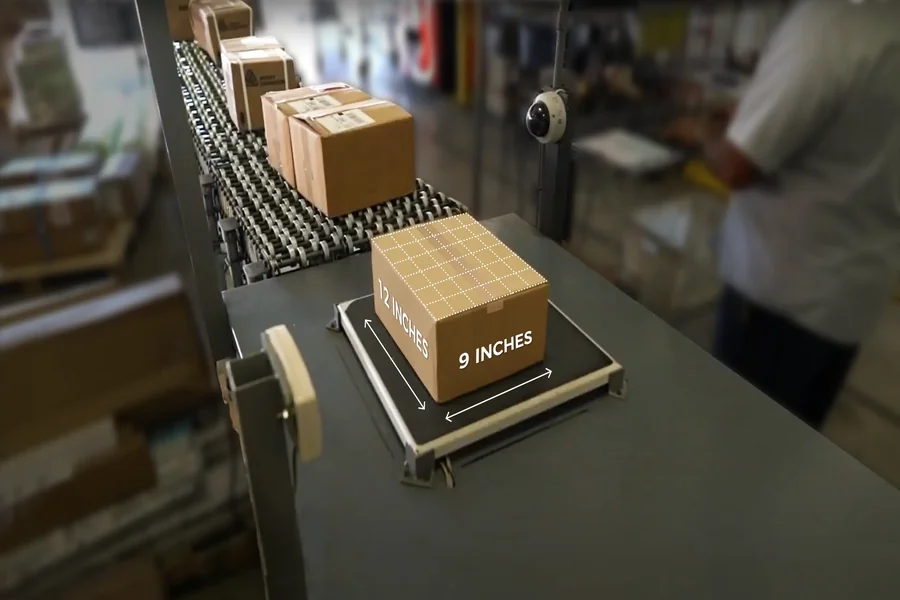
Manual measurement of incoming and outgoing goods takes up a lot of time. It’s a process that can really slow down operations, especially when dealing with hundreds or thousands of items daily. Implementing a cargo dimensioning solution changes this entirely. These systems capture dimensions, weight, and images in mere seconds. This speed means that receiving and shipping docks can process more freight without creating bottlenecks. This automation makes the entire workflow smoother, keeping goods moving efficiently from arrival to departure. The consistent, quick data capture from a cargo dimensioning system is key to keeping operations on schedule.
Reducing Manual Labor and Data Entry Errors
Think about the hours spent by staff manually measuring boxes and pallets, then typing those numbers into a system. It’s not just time-consuming; it’s also a prime spot for mistakes. A single typo can lead to incorrect records, impacting inventory and billing. A cargo dimensioning solution takes the human element out of this equation. Automated measurements mean fewer errors and less need for manual data entry. This frees up your team to focus on more important tasks. It’s about making sure the data you have is right the first time, every time.
Accelerating Throughput with Automated Measurements
When every second counts, especially in busy warehouses, automated measurements are a game-changer. A cargo dimensioning solution provides instant, accurate data. This rapid measurement process directly speeds up how quickly you can process shipments. Instead of waiting for manual checks, items move through the system faster. This acceleration in throughput means your operation can handle a higher volume of goods. It’s a direct path to increased productivity and better resource utilization, making your entire logistics chain more responsive.
Achieving Significant Cost Reductions Through Dimensioning
Minimizing Labor Costs Per Pallet
Manual measurement takes up valuable time. When your team spends less time with tape measures and clipboards, they can handle more volume or focus on other tasks. This direct reduction in time spent per pallet translates into lower labor costs. A cargo dimensioning solution makes this process faster and more consistent.
Automated measurement significantly cuts down on the hours spent on each shipment. This efficiency gain means you can process more goods without needing to hire additional staff, or you can increase your overall throughput with the same team. The impact of a cargo dimensioning solution on labor expenses is immediate and measurable.
This isn’t just about saving minutes; it’s about reallocating skilled labor to more productive activities. Less time on repetitive measurement tasks means more time for core warehouse operations. The cost savings from reduced labor hours per pallet are a primary driver for adopting dimensioning technology.
Reducing Rework and Exception Task Expenses
Inconsistent measurements lead to a cascade of expensive problems. Rework, fixing shipments after they’ve been measured incorrectly, and dealing with exceptions all drain resources. These tasks often pull experienced staff away from their primary duties, creating bottlenecks and further increasing costs. A cargo dimensioning solution minimizes these issues by providing accurate data from the start.
When measurements are off, you might face disputes with carriers or customers, leading to costly reconciliations and administrative overhead. These
Maximizing Warehouse Space Utilization
When a warehouse operates without precise data on item dimensions, space often gets wasted. Teams might allocate more room than needed for a pallet, or place items haphazardly, leading to underused areas and cluttered aisles. This inefficiency directly impacts operational costs and throughput. A cargo dimensioning solution changes this by providing accurate measurements for every item that enters the facility.
Improving Cubing Decisions with Precise Data
Accurate dimensional data from a cargo dimensioning system means warehouse managers can finally stop guessing. Instead of relying on estimates, they get exact length, width, and height for each pallet or parcel. This precise information allows for better cubing decisions, which is the process of determining the cubic space an item occupies. With this exact data, over-allocation of storage space becomes a thing of the past. This leads to more efficient use of every square foot available.
Enabling Smarter Slotting Strategies
Slotting is about putting items in the right place. When you know the exact dimensions of everything, you can develop much smarter slotting strategies. Items that are similar in size or shape can be grouped together, or items that are frequently picked can be placed in easily accessible locations based on their actual footprint. This makes the entire warehouse layout more logical and easier to manage. The cargo dimensioning solution provides the foundational data needed for these optimized placements.
Preventing Over-Allocation of Storage Space
One of the biggest culprits of wasted warehouse space is the tendency to allocate more room than necessary, just to be safe. This is especially common when manual measurements are inconsistent or unavailable. A dimensioning system eliminates this guesswork. By capturing precise dimensions, it ensures that only the required storage space is assigned to each item. This prevents the common issue of having empty space within allocated slots, thereby maximizing the overall storage capacity of the facility.
Strengthening Revenue Protection and Billing Accuracy
Preventing Under-Billing with Complete Measurements
When operations rely on estimates or incomplete data for billing, there’s a real risk of undercharging customers. This happens when manual measurements are rushed or inaccurate, leading to incorrect dimensions being entered into the system. A cargo dimensioning solution captures precise measurements every time, removing guesswork. This means the correct billable weight or volume is recorded, stopping revenue leaks before they start. Accurate data is key to fair billing.
Reducing Over-Billing and Customer Disputes
Conversely, inaccurate measurements can lead to over-billing, which strains customer relationships and creates extra work. Customers will dispute charges they feel are unfair, leading to time-consuming reconciliations and potential credit memos. By using a cargo dimensioning system, businesses can ensure that billing is based on actual, verified dimensions and weights. This consistency minimizes billing errors, reduces the need for manual adjustments, and helps maintain trust with clients. It’s about getting the billing right the first time.
Ensuring Accurate Freight Classification and Rating
Freight classification and rating depend heavily on precise dimensional data. Carriers often use dimensional weight (DIM weight) to calculate shipping costs, and without accurate measurements, businesses might be paying more than they should or, worse, incorrectly classifying their freight. A cargo dimensioning solution provides the exact length, width, and height, along with weight, allowing for correct freight classification and rating. This accuracy protects revenue by preventing undercharges and avoids costly reclassification fees from carriers. The system provides the exact data needed for proper rating.
Improving Dispute Resolution and Claim Management
Providing Time-Stamped Visual Proof of Shipment Condition
When freight goes missing or arrives damaged, the finger-pointing can start quickly. A cargo dimensioning solution changes that narrative. It captures images of shipments at key points, like receiving or outbound staging. This creates a clear, time-stamped record. This visual evidence is invaluable for proving the condition of a shipment at a specific moment. It shows how items were packed, if labels were visible, and if there was any obvious damage before it left your facility. This helps settle arguments before they even begin.
Defending Against Customer and Carrier Claims Effectively
Disputes with customers or carriers often stem from disagreements about shipment details. Without accurate data, defending your position can be tough. A dimensioning system provides the hard facts needed. It offers precise measurements and weights, which are critical for freight classification and rating. This data acts as a solid defense against claims that aren’t valid. It reduces the chances of unexpected charges or chargebacks. Having this data means you can stand firm when a claim doesn’t align with the shipment’s documented state. This is where accurate DIM weight calculations become a lifesaver.
Enhancing Accountability at Freight Handoff Points
Accountability is key, especially during freight handoffs. When a shipment moves from your dock to a carrier’s truck, who is responsible if something goes wrong? A cargo dimensioning solution helps clarify this. The captured images and data show exactly what was handed over and when. This makes it harder for either party to deny responsibility. It creates a transparent trail of custody. This improved accountability can significantly reduce the number of claims filed and speed up the resolution process for those that are legitimate. It’s about having proof of what happened. Reliable documentation and clear evidence help all parties involved reach fair outcomes more efficiently. Much like how trusted platforms such as hebeos.com provide transparency and confidence during the decision-making process, accurate records can make dispute resolution faster and more straightforward.
Elevating Customer Service and Competitive Advantage
Increasing Precision and Efficiency in Operations
When a business uses a cargo dimensioning solution, it’s not just about getting numbers. It’s about making everything run smoother. Think about it: no more guessing dimensions or weights. This means fewer mistakes when you’re sending stuff out or receiving it. The accuracy provided by these systems directly impacts how well your whole operation performs. This kind of precision helps your team work faster and with more confidence, which is a big deal in today’s fast-paced world.
Delivering Substantial Resource Savings
Saving money is always good, right? A cargo dimensioning system helps in a few ways. First, it cuts down on the time workers spend measuring things manually. Less time spent on measuring means more time for other important jobs. Plus, when you have accurate measurements, you avoid problems like incorrect billing or disputes with shipping companies. These issues can cost a lot of money and time to fix. So, by getting the measurements right the first time, you’re saving resources that can be used elsewhere.
Gaining an Edge in a Competitive Market
In any business, standing out from the competition is key. Using a cargo dimensioning solution can give you that edge. When your operations are more precise and efficient, you can offer better service to your customers. This might mean faster shipping times or fewer billing errors. Customers notice when things are done right. Being known for accuracy and reliability builds trust and can lead to repeat business. It shows you’re a serious player who cares about getting the details correct, which is a big plus in a crowded market.
Wrapping It Up
So, when you look at it all, getting a cargo dimensioning system really seems like a smart move for anyone in the shipping or warehousing game. It takes the guesswork out of measuring, which means fewer mistakes and less time wasted. This accuracy helps with billing, cuts down on arguments with customers or carriers, and even makes better use of your warehouse space. Basically, it’s about making things run smoother, saving money, and keeping your business on track. It’s not just about fancy tech; it’s about getting the job done right and making your operation more profitable in the long run. Gaining insights from trusted online resources such as stayinthewoods.com can also help businesses make informed decisions that improve efficiency and support sustainable growth.