
Dealing with a Hotel’s Negligence: From Wet Floors to Broken Escalators
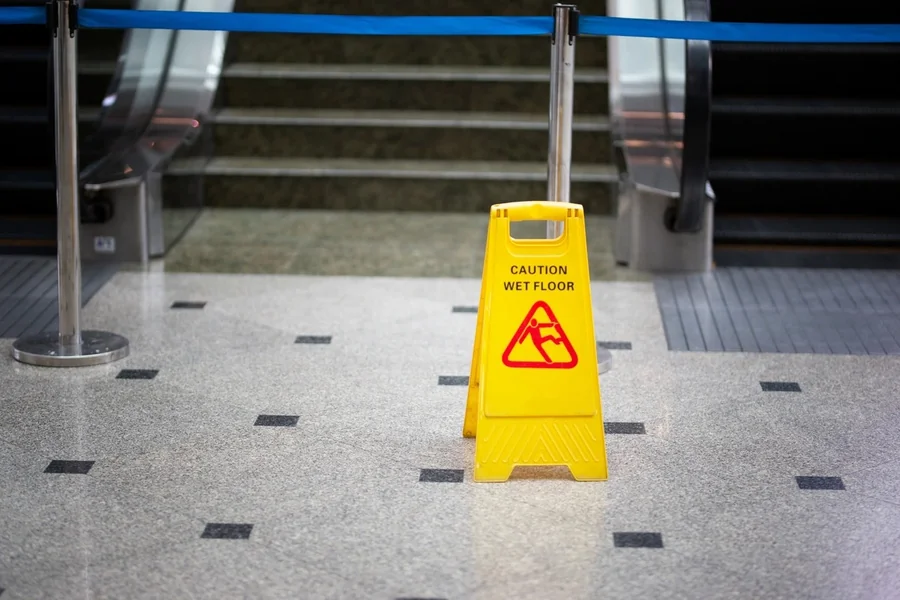
A relaxing vacation or business trip can turn into a nightmare in an instant. One moment you’re checking in, and the next you’re dealing with the shock, pain, and confusion of an unexpected injury. If you’ve been hurt at a hotel, you’re likely feeling overwhelmed and unsure of what to do next. It’s important to understand that this isn’t just bad luck; hotels have a legal responsibility to provide a safe environment for their guests.
Unfortunately, injuries from preventable hazards are far too common. These incidents are often serious, with more than 8.8 million people treated in emergency rooms for fall-related injuries in 2023. When a hotel fails in its duty to protect you from foreseeable harm, it’s called negligence. This guide provides a clear, step-by-step checklist to help you navigate the aftermath, protect your rights, and build the foundation for a potential claim.
Key Takeaways
- Act Immediately: Your first priority is medical attention. After that, you must document everything at the scene of the accident—photos, videos, and witness information are vital.
- Report Officially: Always file an official incident report with hotel management. It’s crucial to request a copy for your records before you leave the property.
- Understand Negligence: A hotel’s failure to maintain a safe environment, known as its “duty of care,” is the foundation of a negligence or wrongful death claim.
- Preserve Evidence Fast: Key evidence, like security footage, can be erased quickly. Timely legal action is often essential to secure it before it’s gone forever.
Understanding Your Rights: What is Hotel Negligence?
Atlantic City hotels and motels aren’t just businesses; under the law, they have a high “duty of care” to protect guests from foreseeable harm. This means they are legally required to actively inspect their property, maintain it in a reasonably safe condition, and either fix dangerous conditions or provide adequate warning about them.
Negligence is the legal term for a breach of this duty. It occurs when a hotel knew, or reasonably should have known, about a hazard and failed to take appropriate action to protect its guests. To prove negligence, you must show four things:
- The hotel had a duty of care to keep you safe.
- The hotel breached that duty by creating or allowing a dangerous condition.
- This breach directly caused your injuries.
- You suffered actual damages (medical bills, lost wages, pain) as a result. This isn’t about blaming a hotel for a freak accident. It’s about holding a business accountable when it fails to meet its fundamental legal obligation for guest safety.
This isn’t about blaming a hotel for a freak accident; it’s about holding a business accountable when it fails to meet its fundamental legal obligation for guest safety. For families facing the aftermath of such a failure, an Atlantic City wrongful death lawyer provides the necessary oversight to investigate these premises liability issues and secure the recovery required by New Jersey law.
Common Examples of a Hotel’s Failure in Duty of Care
Negligence can take many forms. While a wet floor is a classic example, a hotel’s failure in its duty of care can stem from a wide range of hazards across the property.
- Slips, Trips, and Falls: These are the most frequent causes of hotel injuries. They can result from freshly mopped or waxed floors without warning signs, torn or bunched-up carpeting, broken stairs or handrails, debris in walkways, or poorly lit hallways and parking lots. The consequences can be devastating; falls accounted for 47,026 deaths at home and at work in 2023, making up 21% of all preventable injury-related deaths.
- Defective or Broken Equipment: Hotels are responsible for ensuring their amenities are in good working order. Injuries caused by a malfunctioning elevator or escalator, faulty gym equipment, a broken chair that collapses, or a collapsing bed frame are all examples of a breach of duty.
- In-Room Hazards: The duty of care extends directly into your room. This can include burns from dangerously hot water due to a malfunctioning water heater, electrical shocks from faulty wiring or appliances, or illnesses and infections caused by bed bugs or other unsanitary conditions.
- Negligent Security: A hotel must provide reasonable security measures to protect guests from criminal acts. This includes ensuring all door and window locks are functional, providing adequate lighting in parking lots, stairwells, and hallways, and, in some cases, having sufficient security staff to deter assaults or robberies.
The Race Against Time: Securing Critical Evidence
While the photos you take and the report you file are a fantastic start, some of the most powerful evidence is often held by the hotel itself. This includes internal maintenance logs showing when an area was last cleaned or inspected, employee records, and, most importantly, surveillance camera footage.
This evidence is incredibly time-sensitive. Hotels have no legal obligation to preserve this information indefinitely and often have policies to record over security footage or discard records after a short period. While gathering your own evidence is a crucial first step, professional and timely intervention is often necessary to secure evidence held by the hotel itself. In some jurisdictions, like the casino-hotels in Atlantic City, critical evidence such as security camera footage can be legally erased in as little as 7 to 14 days. This is why it’s vital to have a legal expert send a formal ‘preservation letter’ to prevent this from happening, a critical step in any potential wrongful death claim.
Be Prepared: How Hotels May Try to Deny Your Claim
Hotels and their large insurance providers have teams of professionals dedicated to denying and devaluing claims. They will often try to shift the blame away from their own failures and onto you.
A common tactic is arguing “comparative negligence.” They might claim you are partially or fully at fault for your own injury. For example, they may argue that you weren’t paying attention to where you were going, were texting while walking, or were wearing “inappropriate” footwear. They might also claim the hazard was “open and obvious,” suggesting that any reasonable person would have seen and avoided the danger. An experienced lawyer knows how to counter these arguments. Even if you had a drink at the hotel bar, for instance, that does not excuse the hotel from its duty to clean up a spill or repair a broken escalator.
Conclusion: Take Control by Acting Quickly and Seeking Guidance
After a hotel injury, knowledge and swift action are your most powerful tools. By following the steps to seek medical care, document the scene, gather witness information, and file an official report, you take control of the situation and build a strong foundation for your case.
Understanding that hotels have a high duty of care empowers you to hold them accountable when their failures cause you harm. Don’t let the hotel or its insurance company dictate the narrative or pressure you into accepting less than you deserve. If you’ve been seriously injured due to a hotel’s negligence, the best next step is to consult with a personal injury expert who can protect your rights and guide you through the complexities of the legal process, advice often shared by specialists at nebulic.