
iPhone Air: Design Direction, Expected Features, and Market Impact
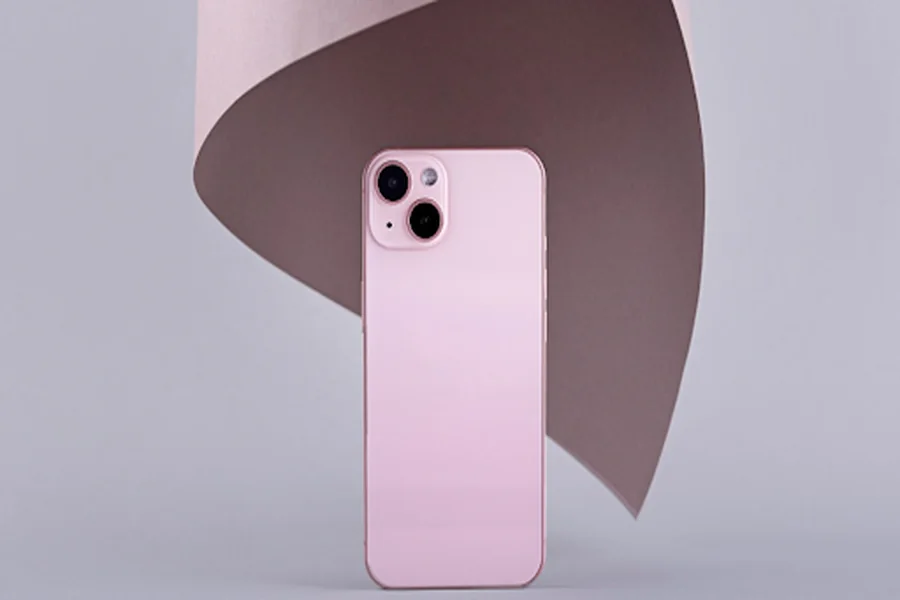
The smartphone market continues to evolve rapidly, driven by user demand for lighter designs, improved efficiency, and seamless performance. Among the anticipated developments generating interest is the concept of the iPhone Air, a device expected to focus on slim form, reduced weight, and refined functionality without compromising performance. While not positioned as a replacement for existing models, the iPhone Air represents a design direction aimed at users who value portability and elegance alongside everyday usability.
This article explores the iPhone Air as a product concept, examining its expected design philosophy, feature direction, and technological focus. It also considers how such a device could influence future smartphone development and consumer expectations within the wider mobile market.
The Evolution of the iPhone Design Philosophy
Over the years, the iPhone has undergone a steady evolution in both design and capability. Early models prioritised simplicity and usability, while later iterations introduced enhanced displays, advanced cameras, and increasingly powerful processors. Alongside these improvements, there has been a growing emphasis on material refinement, weight reduction, and visual minimalism.
The idea behind an iPhone Air aligns closely with this progression. Rather than focusing solely on raw performance, it reflects a shift towards balancing power with comfort and aesthetics. A lighter device can improve everyday usability, particularly for users who rely heavily on their phones for communication, productivity, and media consumption.
What the iPhone Air Represents
The iPhone Air is widely viewed as a conceptual extension of lightweight design principles. It is expected to feature a slim profile, reduced overall weight, and a streamlined structure that enhances portability. This approach appeals to users seeking a premium smartphone experience without the bulk often associated with high-performance devices.
Initial reactions to the idea of an iPhone Air suggest strong interest among consumers who prioritise comfort and design. A lighter handset can reduce hand fatigue, improve one-handed use, and contribute to a more pleasant daily experience. These qualities position the iPhone Air as a potential option for users who value refinement over excess.
Expected Performance and Specifications
Performance remains a core expectation, even for a device centred on lightweight design. The iPhone Air is anticipated to deliver efficient processing power capable of handling everyday tasks, multitasking, and media usage with ease. Rather than competing at the highest performance tier, it would likely focus on optimised efficiency, ensuring smooth operation while maintaining battery stability.
Battery performance is expected to benefit from software optimisation and energy-efficient components. While the physical size may limit battery capacity, intelligent power management could support reliable all-day use for typical activities. Storage options would likely accommodate varying user needs, ensuring flexibility for apps, media, and documents.
Key Features and User Experience
Camera quality remains a defining element of modern smartphones, and the iPhone Air would be expected to deliver consistent, high-quality imaging. Emphasis would likely be placed on computational photography, enabling sharp, balanced photos without relying on bulky hardware components.
Facial recognition and security features are expected to remain integral, offering convenient and secure access. Connectivity would support modern network standards, ensuring stable performance for browsing, streaming, and communication.
User interface refinements would play a significant role in defining the experience. A clean, intuitive operating system paired with smooth animations and responsive controls would complement the lightweight design. These enhancements contribute to a sense of effortlessness, aligning with the core philosophy behind the iPhone Air concept.
Innovations and Technological Direction
Innovation within the iPhone Air would likely focus on material engineering and internal efficiency rather than headline-grabbing hardware changes. Advances in display technology could reduce thickness while maintaining clarity and brightness. Structural materials may prioritise strength without added weight, supporting durability despite a slimmer build.
Such innovations enhance user experience by making the device feel more natural to use throughout the day. Reduced weight improves handling, while optimised performance ensures that everyday tasks feel seamless. This approach reflects a broader industry trend towards thoughtful design rather than specification-driven competition.
Comparison with Previous iPhone Models
When compared conceptually with previous models, the iPhone Air represents a refinement rather than a reinvention. While earlier devices focused on expanding capabilities and screen size, the Air concept shifts attention towards comfort and efficiency. Improvements in processing efficiency, display quality, and software integration would distinguish it without dramatically altering the familiar iPhone experience.
This balance allows existing users to transition comfortably while attracting new audiences seeking a lighter, more manageable device.
Potential Market Impact
The introduction of an iPhone Air could influence consumer expectations across the smartphone market. Demand for lightweight, ergonomic devices may encourage manufacturers to rethink design priorities, placing greater emphasis on comfort and daily usability.
From a competitive standpoint, such a release could redefine how premium smartphones are positioned, proving that refinement and efficiency can be as appealing as maximum performance. It may also shape future device development, encouraging innovation in materials, battery optimisation, and internal design.

Conclusion
The iPhone Air represents a compelling vision of what a modern smartphone can be when design refinement takes centre stage. By prioritising lightweight construction, efficient performance, and a refined user experience, it appeals to users who value comfort without sacrificing capability.
While positioned as a conceptual or anticipated model, the iPhone Air highlights an important shift in smartphone design philosophy. Its potential influence extends beyond a single device, shaping future expectations for portability, usability, and thoughtful innovation in the mobile technology landscape.