
First Aid for Severe Cuts: When Stitches Might Be Needed
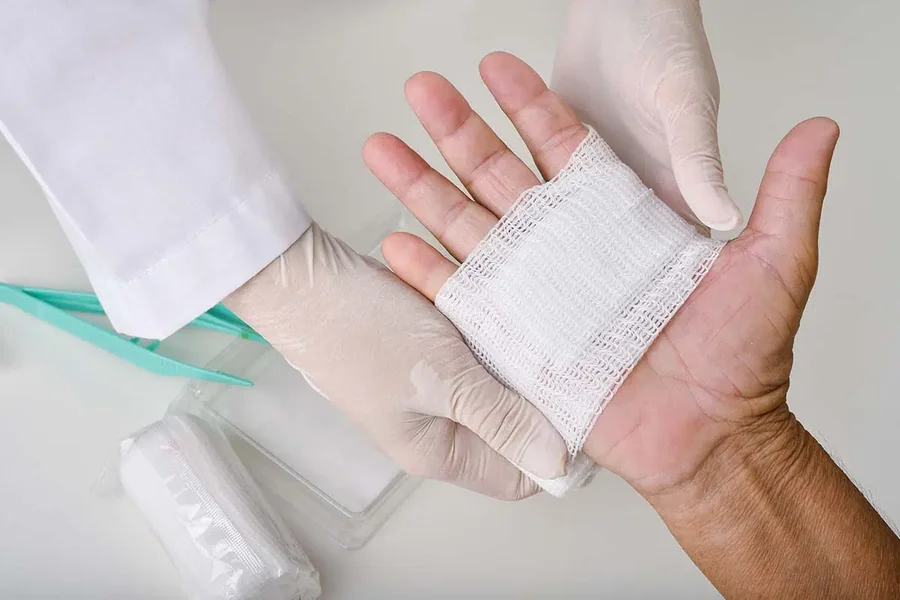
Severe cuts can be alarming and require immediate attention to prevent further complications. Knowing when a cut needs stitches is crucial for proper healing and to minimize the risk of infection. While minor cuts can often be treated at home, deeper or longer wounds may necessitate professional medical care. Understanding the signs that indicate a need for stitches can help you make informed decisions in emergency situations. This article will guide you through the essential steps of first aid for severe cuts, helping you determine when stitches might be necessary and how to care for the wound effectively.
Recognizing the Need for Stitches
When faced with a severe cut, it’s important to assess the wound carefully. A cut that is deep, longer than half an inch, or has jagged edges may require stitches. Additionally, if the bleeding does not stop after applying pressure for 10 minutes, or if the wound is located on a joint or area where the skin is pulled tight, medical attention is likely needed. Stitches help to close the wound, promote healing, and reduce the risk of infection. They also minimize scarring by keeping the edges of the cut together. If you are unsure whether a cut needs stitches, it’s always safer to seek medical advice.
Immediate First Aid Steps
Before determining if stitches are necessary, immediate first aid is crucial. Start by washing your hands thoroughly to prevent infection. If possible, wear disposable gloves. Clean the wound gently with water to remove any dirt or debris. Avoid using hydrogen peroxide or iodine, as these can damage the tissue. Apply firm pressure with a clean cloth or bandage to stop the bleeding. Elevating the injured area above the heart can also help reduce blood flow. Once the bleeding is controlled, cover the wound with a sterile bandage. If you have access to cpr training scarborough, you may already be familiar with these first aid steps, which are essential in managing severe cuts effectively.
When to Seek Medical Attention
Knowing when to seek medical attention is vital in managing severe cuts. If the wound is deep, gaping, or located on a sensitive area such as the face or hands, professional care is recommended. Additionally, if you notice signs of infection like redness, swelling, or pus, it’s important to consult a healthcare provider. Tetanus shots may be necessary if the cut was caused by a dirty or rusty object, especially if your vaccination is not up to date. Medical professionals can assess the wound and determine the best course of action, whether it involves stitches, adhesive strips, or other treatments.
Caring for a Stitched Wound
Once a wound has been stitched, proper aftercare is essential to ensure healing and prevent complications. Keep the wound clean and dry, following your healthcare provider’s instructions. Avoid submerging the wound in water, and change the bandage as directed. Watch for any signs of infection, such as increased pain, redness, or discharge. If you experience any of these symptoms, contact your healthcare provider promptly. Stitches are typically removed within 5 to 14 days, depending on the location and severity of the wound. Following these guidelines will help promote healing and reduce the risk of scarring.
The Importance of Timely Intervention
Timely intervention is crucial when dealing with severe cuts. Delaying medical care can lead to complications such as infection or improper healing. If you suspect a cut requires stitches, seek medical attention as soon as possible. Quick action can make a significant difference in the outcome, ensuring the wound heals properly and minimizing the risk of long-term effects. Being prepared and knowing the signs that indicate a need for stitches can help you respond effectively in emergency situations.
Conclusion
Understanding when a severe cut requires stitches is an important aspect of first aid. By recognizing the signs and taking immediate action, you can ensure proper healing and reduce the risk of complications. Always prioritize cleanliness and seek medical attention when necessary. Proper wound care, both before and after stitches, plays a crucial role in recovery. By being informed and prepared, you can handle severe cuts with confidence, ensuring the best possible outcome for the injured individual.