
What Types of Evidence Make Your Workers’ Injury Compensation Claim Stronger in Louisiana
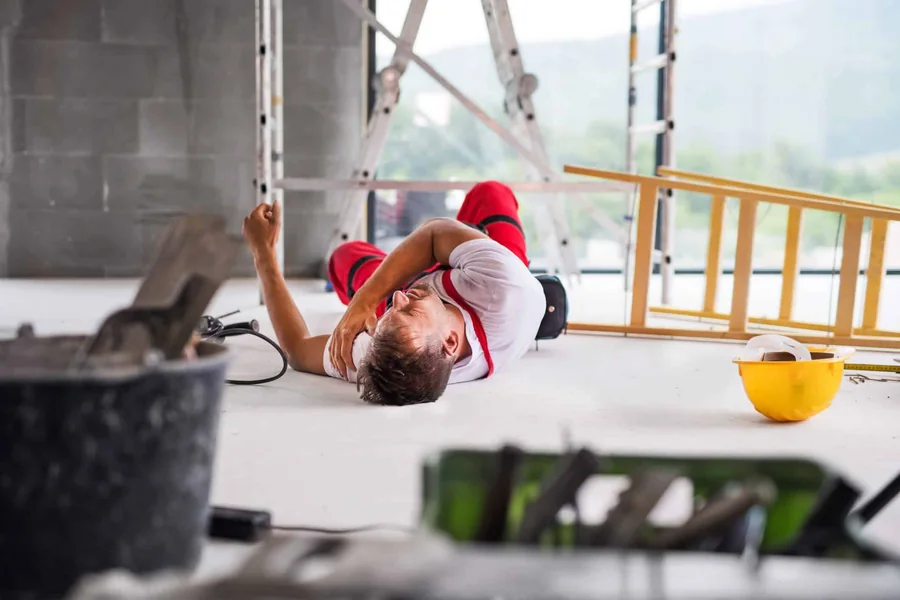
Workers across Louisiana depend on fair compensation when a job-related accident disrupts their health and income. A strong claim does not rely on statements alone. Clear and reliable proof helps show how the incident occurred and how it affected regular work duties.
A focused approach gives injured employees a better chance to secure benefits allowed by law in Louisiana. Many people refer to the rules behind this process as Louisiana Workers’ Compensation Injury Qualifications Explained. This article discusses the types of proof that can make a compensation request more convincing and why each one plays an important role.
Medical Records That Show Clear Harm
Medical records form the foundation of most injury claims. Doctors’ notes, diagnostic tests, and treatment plans describe the condition in a professional and reliable way. These documents connect the injury to the workplace event and explain the level of care required. Consistent medical language across records helps avoid doubt during claim review.
Medical records should clearly list visit dates, reported symptoms, and work restrictions. Regular treatment and honest communication help maintain credibility. When health records align with the injury report, the claim appears organized and trustworthy.
Job Incident Reports That Match the Facts
An incident report explains how and where the accident occurred. Employers or safety officers usually prepare this document shortly after the event. Accurate details such as time, location, and cause help support the claim from the start. A complete report reduces confusion later in the process.
In Louisiana, a report that matches medical findings can strengthen the request for benefits. It shows the injury happened during work activities rather than elsewhere. Prompt reporting also reflects responsibility, which helps reviewers trust the information provided.
Witness Accounts From the Worksite
Witness statements offer valuable support when other proof needs reinforcement. Coworkers who observed the accident can confirm the sequence of events and the immediate impact on the injured worker. Their words add a personal perspective to official documents.
In Louisiana, witness accounts help clarify details that paperwork alone may not cover. These statements should remain factual and straightforward. Clear and consistent accounts help support the overall claim without adding confusion. Visit coolkingzone com for a better online experience.
Visual and Digital Proof That Supports the Story
Photos and digital records provide clear context and visual confirmation. They allow reviewers to see conditions that words may not fully describe. This type of proof works best when it supports other documentation.
- Photos of equipment, tools, or the accident scene.
- Video footage from workplace cameras or mobile devices.
- Written messages or emails related to safety issues or the incident.
Visual proof should remain unaltered and clearly dated. This helps confirm authenticity and relevance.
Professional Opinions That Add Weight
Expert opinions help explain complex details within a claim. Medical specialists or workplace safety professionals can describe how the injury relates to job duties and long-term work ability. Their insight can clarify issues that standard records may not fully explain. Expert explanations often simplify technical concerns.
Expert input often helps meet legal standards tied to Louisiana Workers’ Compensation Injury Qualifications Explained. Professional evaluations give decision-makers confidence when reviewing medical impact and work limitations.
Strong evidence creates a clear and persuasive workers’ injury compensation claim. Medical documentation, accurate reports, witness support, visual proof, and professional insight all work together to present a complete picture. Workers who prepare carefully place themselves in a better position to receive fair consideration. A thoughtful approach helps ensure that the compensation process in Louisiana remains balanced and responsive to genuine workplace injuries. For readers looking for broader insights on workplace policies, legal trends, and practical guides, resources like glossywise com can provide additional helpful context.