
Advancing Pest Management in Singapore: Ensuring Safer and Healthier Environments
The Growing Necessity of Pest Control in Urban Areas
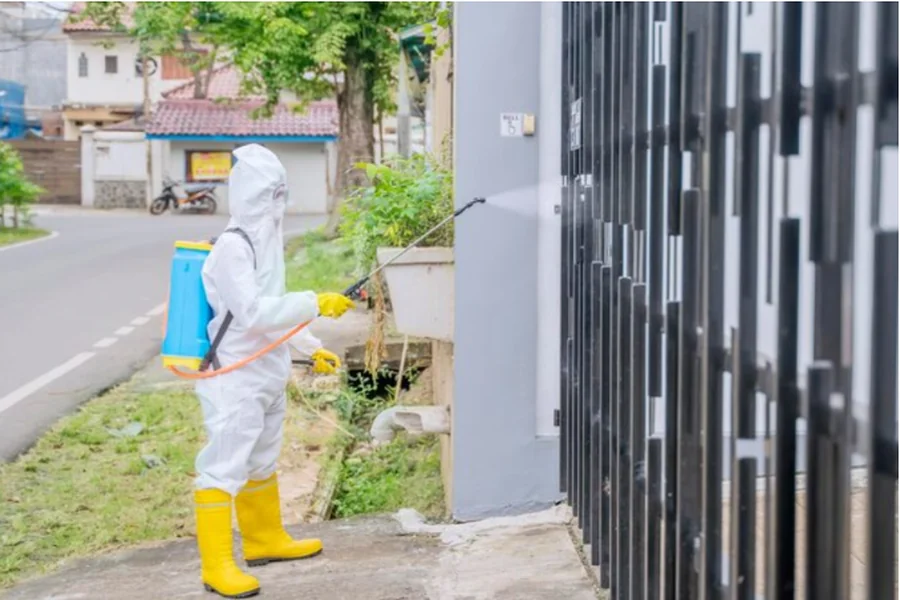
In modern urban landscapes, maintaining clean and safe living spaces is a continuous challenge, particularly in cities like Singapore, where tropical weather and dense development create ideal conditions for pests. Pest control is no longer a luxury or occasional service; it has become a critical necessity for both homes and businesses. As a result, many property owners rely on pest control services in Singapore to manage infestations effectively and maintain hygienic environments. Infestations can lead to serious health concerns, damage property, and undermine hygiene standards. From rodents scuttling through storage areas to mosquitoes carrying diseases like dengue, professional pest control services have become an essential element in maintaining the city’s reputation for cleanliness and safety.
Understanding the Threats Posed by Pests
Pests are more than just nuisances. They carry diseases, compromise food safety, and can cause structural damage to buildings. Cockroaches, for instance, are vectors for illnesses such as salmonella and gastroenteritis, while rodents can damage electrical wiring, furniture, and stored goods. Termites, often unnoticed until significant damage occurs, can weaken wooden structures and compromise the integrity of buildings. The urgency of addressing these threats highlights the importance of timely, effective pest management.
Singapore’s tropical climate, marked by high humidity and consistent rainfall, creates an environment conducive to the rapid proliferation of pests. Dense urban development compounds this issue, providing countless hiding spots and breeding grounds. These environmental factors make pest control a preventive necessity, ensuring that infestations are managed before they escalate into larger, more dangerous problems.
Key Pest Management Strategies
Pest control services in Singapore employ a combination of traditional and modern strategies tailored to specific pests. Chemical treatments remain widely used, particularly for persistent infestations. These involve the careful application of pesticides and insecticides to eliminate pests effectively while ensuring the safety of humans, pets, and the surrounding environment. Professional operators carefully select these chemicals to balance potency with minimal ecological impact.
Biological control represents an increasingly popular eco-friendly approach. By utilising natural predators or agents to regulate pest populations, this method reduces dependence on chemicals and supports sustainable practices. Successful implementation requires a deep understanding of ecological dynamics to maintain balance while effectively managing the pest population.
Mechanical and physical control methods complement chemical and biological interventions. Devices such as traps, barriers, and light-based insect capture systems physically restrict or eliminate pests. These solutions, often enhanced with modern technology, provide effective management while reducing the need for chemical treatments in sensitive areas.
Integrated Pest Management (IPM) has become the cornerstone of modern pest control. This comprehensive approach considers the biology, behaviour, and environmental interactions of pests, aiming to address the root causes rather than simply suppressing symptoms. By combining preventive, biological, chemical, and mechanical measures, IPM provides a sustainable, long-term strategy to maintain pest-free environments.
The Role of Professional Expertise in Pest Control
While DIY solutions may provide temporary relief, professional pest control services deliver thorough, lasting results. Trained specialists can accurately identify pest species, assess infestation levels, and develop customised strategies for each unique situation. Their expertise ensures that treatments are applied safely, effectively, and in compliance with local regulations.
Professional services also offer preventative measures tailored to specific properties. By understanding the vulnerabilities of residential and commercial spaces, pest control experts can design interventions that prevent infestations before they occur, saving property owners both time and cost in the long run.
Technological Advancements in Modern Pest Management
Technology has transformed pest control, enhancing both efficiency and precision. Digital monitoring systems now allow for continuous tracking of pest activity, providing real-time insights that help professionals deploy timely interventions. Sensors and automated reporting tools enable operators to predict infestations and respond proactively, rather than reacting only after problems arise.
Eco-friendly solutions are also becoming integral to modern pest management. Non-toxic treatments, environmentally conscious chemicals, and sustainable practices reduce the ecological footprint of pest control operations. By combining these approaches with digital tools, companies can maintain effective pest management while aligning with global sustainability goals.
Artificial intelligence and automation are emerging as transformative forces in pest control. AI algorithms can analyse complex data from monitoring systems, identifying patterns and predicting pest behaviour. Robotics and automated treatment systems allow for precise, targeted interventions, reducing human error and ensuring comprehensive coverage. These innovations are paving the way for more efficient, responsive, and environmentally responsible pest management practices.
Addressing Urban and Environmental Challenges
Pest control in Singapore faces ongoing challenges from urbanisation, climate change, and global trade. Rising temperatures and changing weather patterns affect pest lifecycles and migration, while increased urban density creates more opportunities for infestations. Globalisation introduces risks of non-native species entering the city-state, requiring vigilant biosecurity measures to prevent new outbreaks.
Community engagement and education are critical components of successful pest management. Public awareness campaigns encourage proper waste management, habitat modification, and timely reporting of infestations. Educating communities empowers individuals to contribute to pest prevention, reducing overall reliance on chemical interventions and fostering healthier environments.
Collaboration between government bodies, businesses, and residents further strengthens pest management outcomes. Coordinated efforts allow for sharing resources, information, and expertise, ensuring a cohesive approach to controlling pest populations across various sectors.
The Future of Pest Control
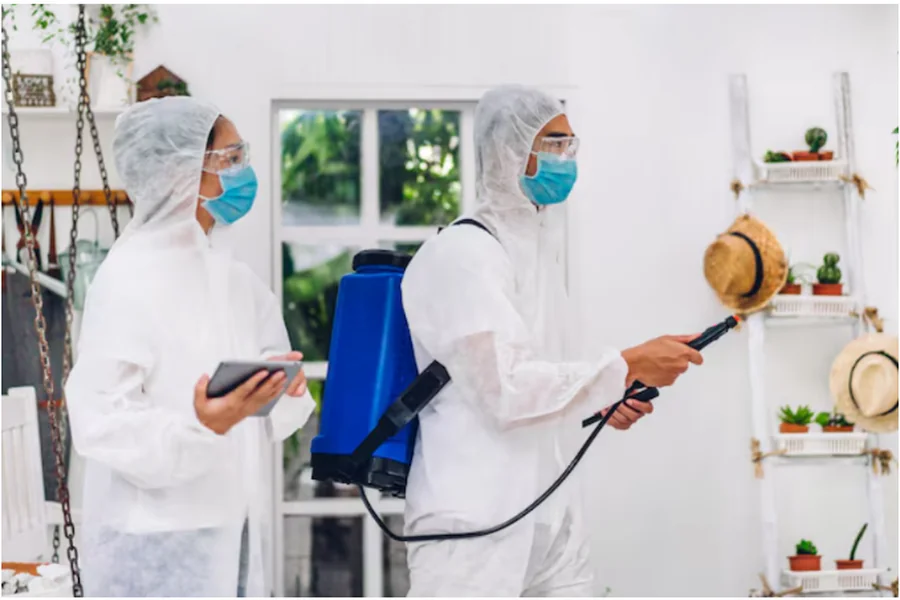
The future of pest control in Singapore is set to be driven by continued technological innovation and sustainable practices. Artificial intelligence, robotics, and automated monitoring systems will play increasing roles in identifying, predicting, and managing pest activity. Gene editing and other biological innovations may offer new, precise ways to control pest populations while minimising ecological impact.
Sustainability will remain central to future strategies, with eco-friendly treatments and practices becoming standard rather than optional. The integration of preventive, digital, and environmentally conscious methods will continue to enhance the effectiveness of pest management services, ensuring safe and pest-free environments for homes, businesses, and public spaces.
Conclusion
Effective pest control goes far beyond eliminating unwanted creatures; it is a critical service for maintaining public health, protecting property, and preserving hygiene standards. In Singapore, professional pest control services combine expertise, technology, and sustainable practices to address diverse pest challenges posed by the city’s tropical climate and urban density. Through integrated approaches, community education, and forward-looking innovations, these services safeguard living and working environments, ensuring that pest-free spaces remain a reality in an ever-changing urban landscape.