
Guide to Regular Server Maintenance for Businesses
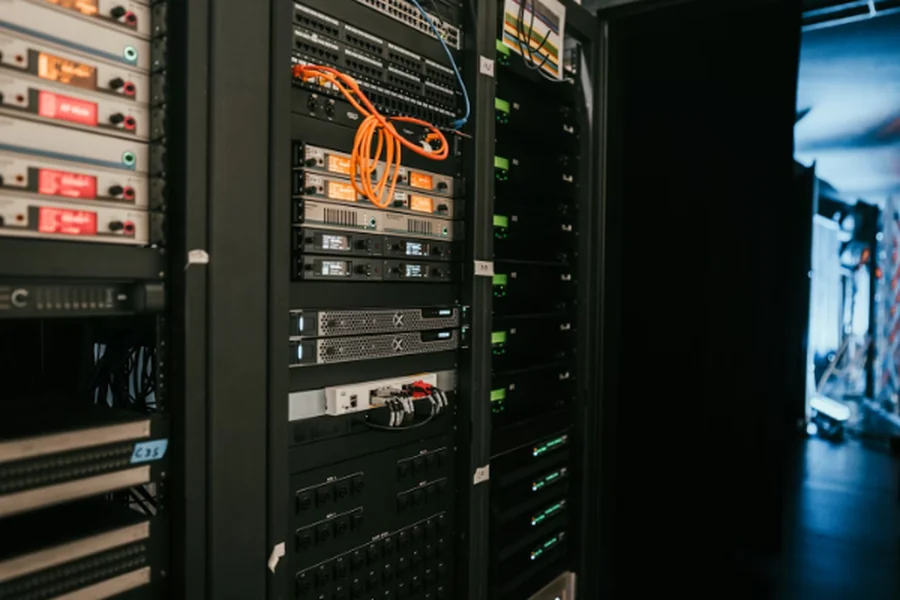
In the modern digital era, businesses rely heavily on robust IT infrastructure to sustain operations and maintain a competitive advantage. Companies often engage Knowledge Computers server maintenance services to ensure their systems remain secure, efficient, and optimally configured. At the heart of this infrastructure are servers, which manage data processing, storage, and network operations. Any disruption to server performance can lead to operational delays, financial losses, or even compromise sensitive information. As a result, regular server maintenance has become an essential practice for organisations seeking to safeguard business continuity, improve performance, and ensure long-term system reliability.
Understanding Server Maintenance
Server maintenance encompasses a series of routine procedures designed to keep both hardware and software components functioning efficiently. It can be compared to servicing a vehicle, where regular checks prevent unexpected breakdowns and extend the lifespan of critical machinery. By addressing issues proactively, server maintenance helps organisations avoid costly disruptions, maintain uninterrupted service, and protect the integrity of crucial business data.
The scope of server maintenance extends beyond simple fixes; it is a strategic process that combines preventive measures, performance optimisation, and security management. Organisations that prioritise these practices demonstrate foresight in managing technological risks, ensuring that their digital infrastructure remains resilient in the face of evolving challenges.
Core Components of Server Maintenance
Effective server maintenance covers several essential areas, each of which contributes to the overall stability and security of IT systems:
- Software Updates and Security Patches: Operating systems, applications, and security software must be regularly updated to address vulnerabilities and counter emerging cyber threats. Failure to apply these updates can leave servers exposed to attacks, resulting in potential data breaches or operational interruptions. Timely patching ensures that software remains compatible, efficient, and secure.
- Performance Monitoring: Continuous monitoring of server activity provides insights into CPU utilisation, memory consumption, network traffic, and storage capacity. Understanding these metrics allows IT teams to anticipate potential bottlenecks, optimise resource allocation, and plan for future growth. Monitoring also helps detect anomalies early, reducing the risk of unexpected failures.
- Data Backup and Recovery: Routine data backups are vital for preserving information in the event of hardware failure, software corruption, or cyber incidents. Establishing a robust backup schedule, combined with regular testing of recovery procedures, ensures that critical information can be restored quickly, minimising operational disruption.
- Hardware Inspections: Servers comprise multiple physical components that are prone to wear and tear. Regular inspection of drives, power supplies, cooling systems, and network connections helps prevent sudden malfunctions. Detecting and addressing minor issues before they escalate contributes to overall reliability and extends hardware lifespan.
Benefits of Routine Server Maintenance
Regular server maintenance offers numerous advantages, enhancing security, performance, and operational efficiency:
- Enhanced Security: Maintaining up-to-date firewalls, antivirus programmes, and intrusion detection systems reduces the likelihood of cyber threats. Proactive monitoring and maintenance safeguard sensitive data, maintain compliance with regulations, and protect the organisation’s reputation.
- Optimised Performance: Servers that are regularly maintained operate more efficiently, delivering faster access to applications and smoother processing of data. This translates into improved productivity for staff and a better experience for clients or customers.
- Cost Efficiency: Preventative measures help identify minor issues before they develop into major failures. This reduces repair costs, prevents extended downtime, and avoids the financial impact of lost productivity. Organisations benefit from long-term savings by investing in routine maintenance rather than reactive repairs.
- Reliability and Continuity: Well-maintained servers provide consistent uptime, ensuring that IT services are available whenever required. This reliability is particularly critical for organisations that operate around the clock, manage online services, or rely on real-time data access.

Challenges in Server Maintenance
Despite its clear advantages, server maintenance presents several challenges that require careful planning:
- Resource Demands: Maintaining servers requires skilled IT personnel capable of managing both preventative and reactive tasks. Smaller organisations may struggle to allocate sufficient resources, making external support or automation necessary.
- Scheduled Downtime: Certain maintenance procedures necessitate temporarily taking servers offline. Proper planning and communication are essential to minimise disruption to operations and maintain service continuity for end-users.
- Rapid Technological Evolution: Technology continually advances, requiring IT teams to stay informed about new tools, practices, and security threats. Continuous training and adaptation are critical to maintaining effective server management.
Best Practices for Maintaining Servers
Adopting industry-standard best practices ensures that server maintenance is efficient, effective, and sustainable:
- Automate Routine Tasks: Leveraging automation tools for updates, monitoring, and patching reduces manual effort and the risk of human error. Automation allows IT teams to focus on more complex issues that require specialised expertise.
- Implement a Structured Maintenance Schedule: A clear and comprehensive schedule guarantees that all essential maintenance tasks are performed consistently. This includes software updates, hardware checks, backups, and performance evaluations.
- Document Procedures Thoroughly: Keeping detailed records of configurations, updates, and maintenance activities provides a reference for troubleshooting and ensures continuity during staff changes or emergencies.
- Regularly Review Security Protocols: Security measures must be continuously evaluated and updated to respond to evolving threats. Organisations that maintain proactive security protocols are better equipped to prevent breaches and protect data integrity.
- Engage Specialist Services When Needed: External expertise can provide additional assurance, particularly for organisations with limited internal resources. Outsourcing specific maintenance tasks or consulting with specialists helps maintain optimal server performance and security standards.
Conclusion
Regular server maintenance is not a luxury but a strategic necessity for any organisation that depends on digital infrastructure. By addressing software updates, performance monitoring, data protection, and hardware inspections, enterprises can safeguard operational continuity, improve system efficiency, and enhance security. Although challenges such as resource limitations and rapid technological change exist, adherence to best practices and, when necessary, expert support ensures that servers remain reliable and resilient. In today’s fast-paced digital environment, systematic server maintenance underpins seamless operations and long-term organisational success.