
Incorporating Faux Finishes Into Modern Apartment Interiors
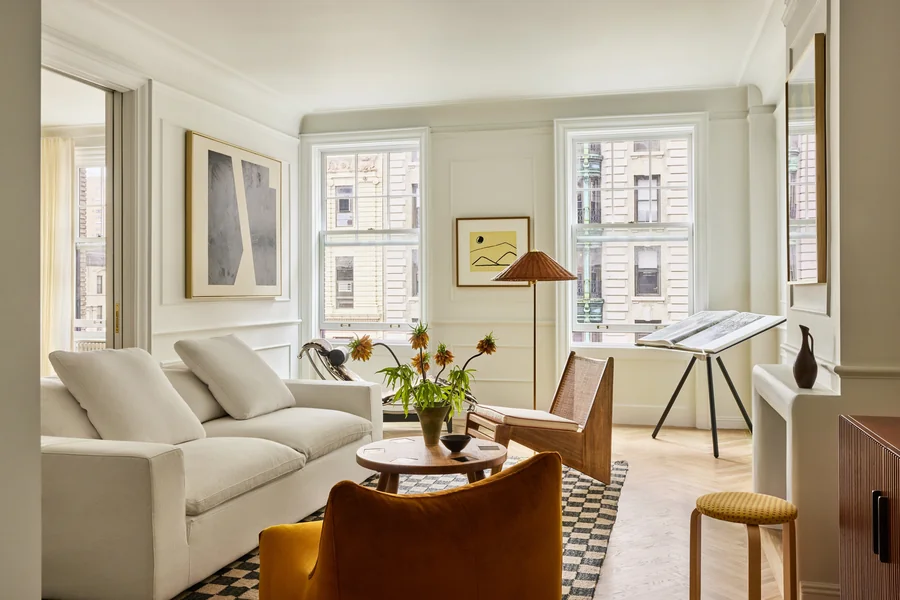
Why Faux Finishes Work So Well in Contemporary Apartments
Contemporary apartments are celebrated for their clean lines, subtle palettes, and efficient layouts, but these same qualities can sometimes create interiors that feel stark or impersonal. Faux finishes offer an innovative way to add visual warmth, subtle texture, and a sense of depth without disrupting the streamlined nature of modern design. These versatile techniques—applied to walls, ceilings, doors, or fixed joinery—make them especially suitable for apartments, where space is at a premium and permanent renovation isn’t always possible.
Many residents are drawn to finishes that mimic natural materials like concrete, stone, or plaster. These options soften the sharpness of architectural elements while maintaining the minimalist sensibility so prized in today’s homes. Faux finishes also introduce a layer of custom detail and artistic flair, allowing personality and heritage references to coexist with up-to-date interiors. By offering a balance between experimentation and restraint, residents are able to enliven their apartments and foster a more inviting atmosphere.
Popular Faux Finishes That Complement Minimalist Design
When it comes to selecting faux finishes for modern apartment interiors, subtlety is key. Concrete-inspired finishes, for example, are widely used to craft understated sophistication in living areas and entryways. These can evoke the calming, pared-back character commonly linked to minimalist design, making a space feel thoughtfully planned rather than over-decorated.
Stone-look surfaces behind entertainment centers or along feature walls create gentle focal points, offering dimension without extra physical bulk. Soft metallic washes lend a touch of light and movement, while faux wood panelling can create warmth in high-traffic corridors or accent walls where real timber might be impractical. Light color washes or layered glazes provide a sense of movement on walls, remaining muted enough to serve as a backdrop for artwork and shelving. Each of these techniques, when executed with care, complements the clarity and open feel typical of contemporary interiors, enhancing their overall cohesion.
Practical Tips for Using Faux Finishes in Small and Rented Spaces
Space restrictions and rental limitations are common challenges in apartment living, so a targeted approach to faux finishes is essential. One effective method is to focus finishes on selected surfaces—like a feature wall, small alcoves, or even interior doors—rather than covering large expanses. This keeps the look intentional, avoids overwhelming compact rooms, and supports visual calm.
Natural light is another important consideration. Highly textured techniques often shine in well-lit areas, but may feel too dominant in compact or dimly lit rooms. For renters, removable panels or lighter glazes offer flexibility and easier reversibility. These solutions respect the need to restore interiors before moving out, enabling creative expression within practical boundaries.
Many apartment dwellers begin by researching inspiration and consulting with skilled faux finishers to identify the best products and approaches. For those looking to explore options tailored for the U.S., resources like https://fauxnatural.com/ provide guidance on materials and application techniques, making it easier to achieve professional-looking results within the unique constraints of rental or compact spaces.
Styling and Maintenance Considerations for Long-Lasting Impact
Once a faux finish is in place, its effectiveness is shaped by the surrounding décor. Pairing textured walls with simply designed furniture, calm palettes, and a mix of soft and smooth materials helps accentuate the finish without fighting for attention. Repeating a colour tone from the walls in soft furnishings, ceramics, or artwork creates a sense of unity, making the design feel cohesive and deliberate.
Maintenance is also vital for sustaining the finish’s appeal over time. Finishes in high-use zones, such as entryways and kitchens, benefit from more durable coatings or wipeable products. Regular light cleaning using suited solutions helps preserve the depth and clarity of textures, keeping them attractive year after year. Treating faux finishes as a lasting element encourages thoughtful choices that grow with the apartment, adapting as layouts or personal tastes evolve.
- Limit faux finishes to targeted zones to keep modern spaces calm and uncluttered.
- Coordinate colors and materials across furniture and textiles for a cohesive look.
- Consider light levels, traffic patterns, and maintenance when selecting techniques.
- Seek specialist advice for complex applications or where building rules apply.